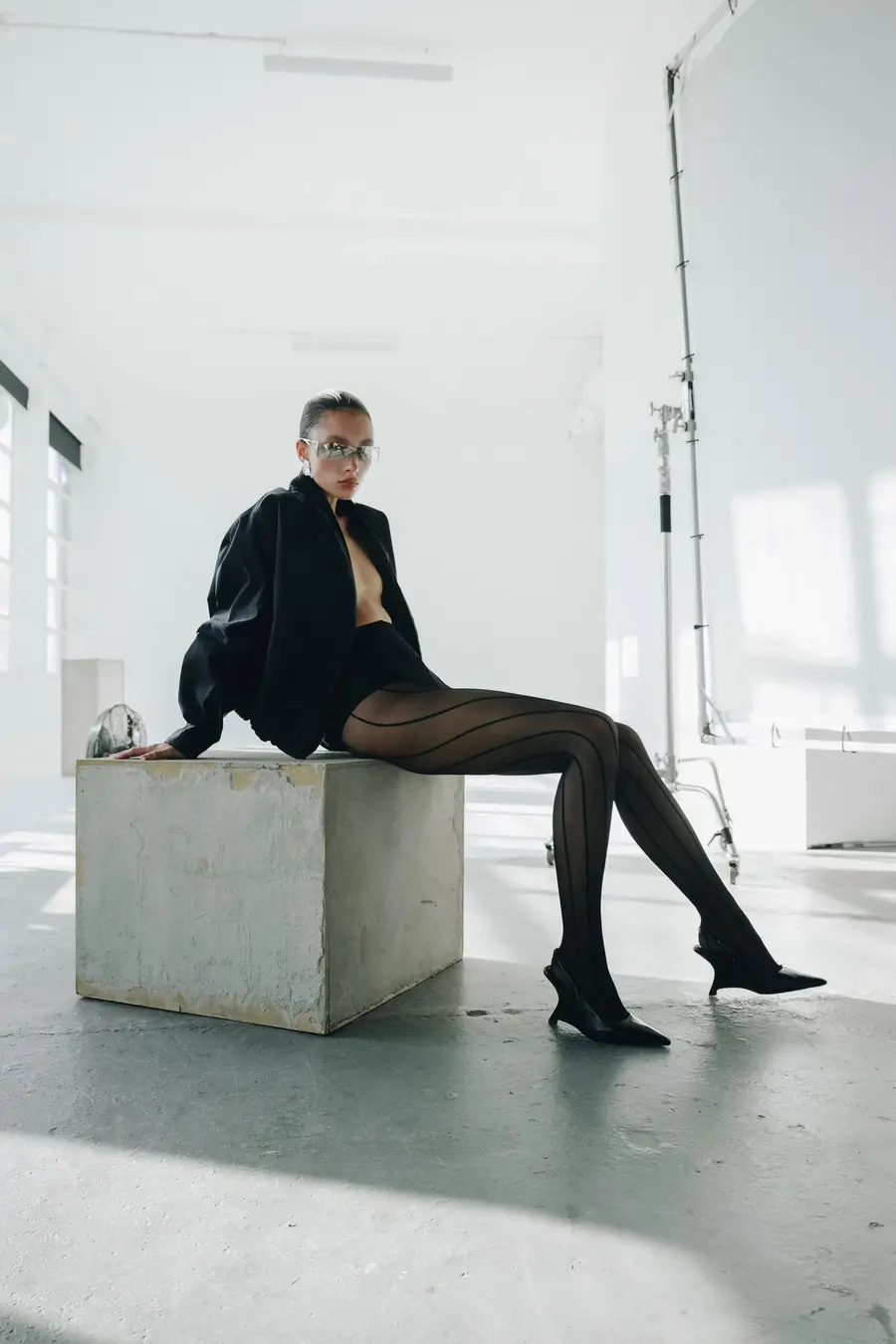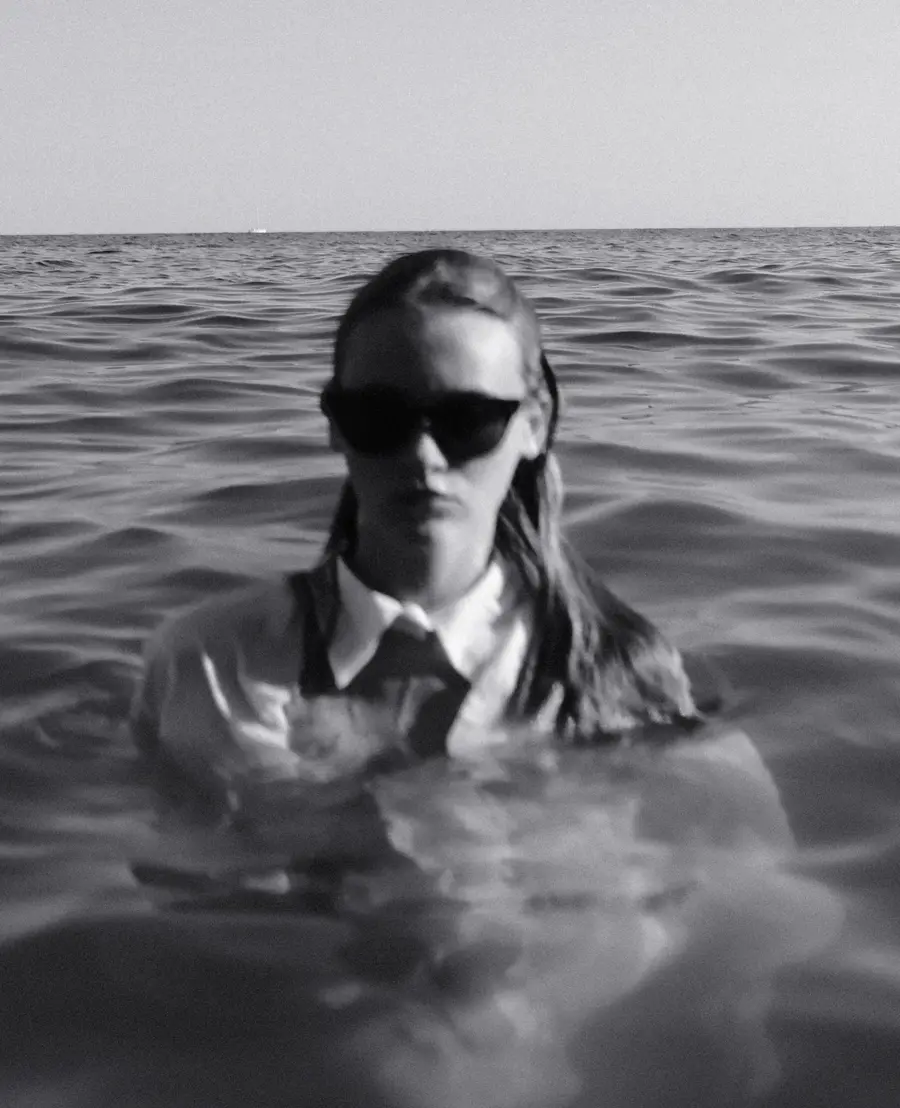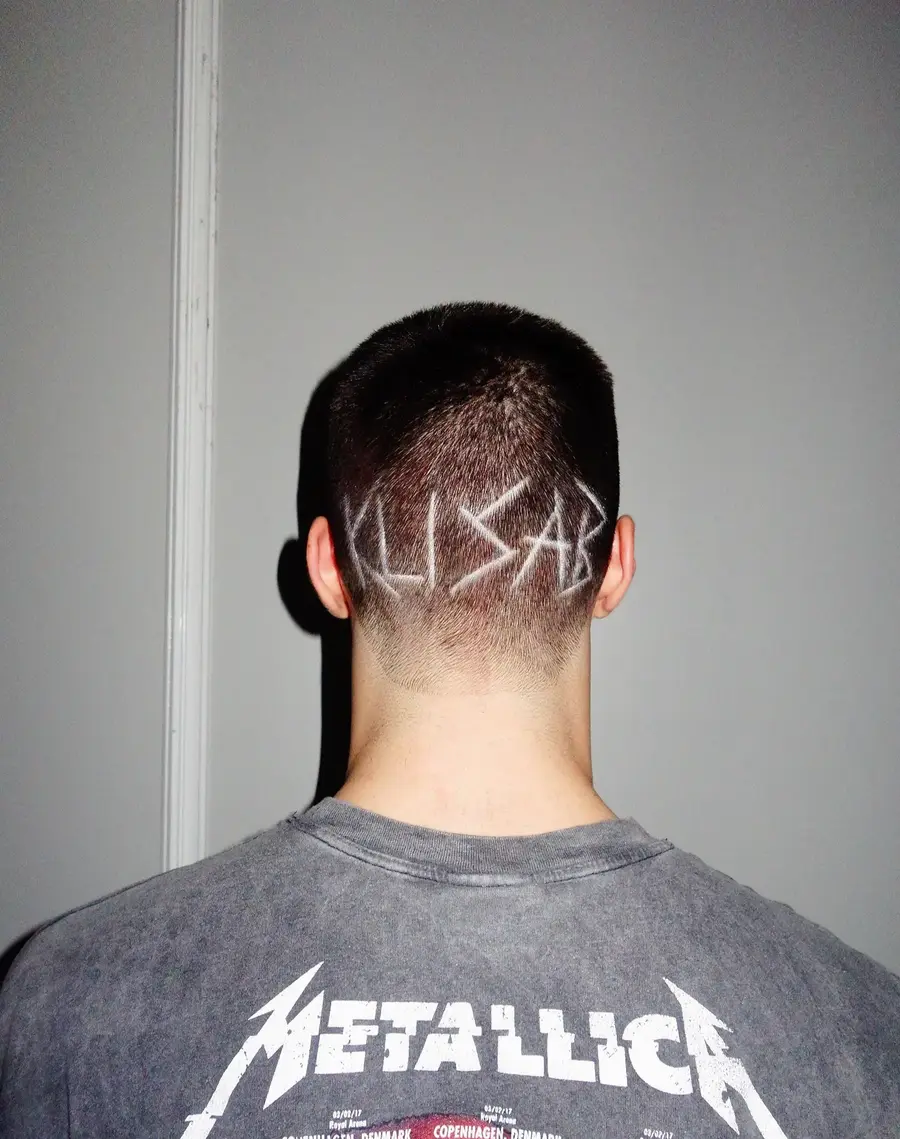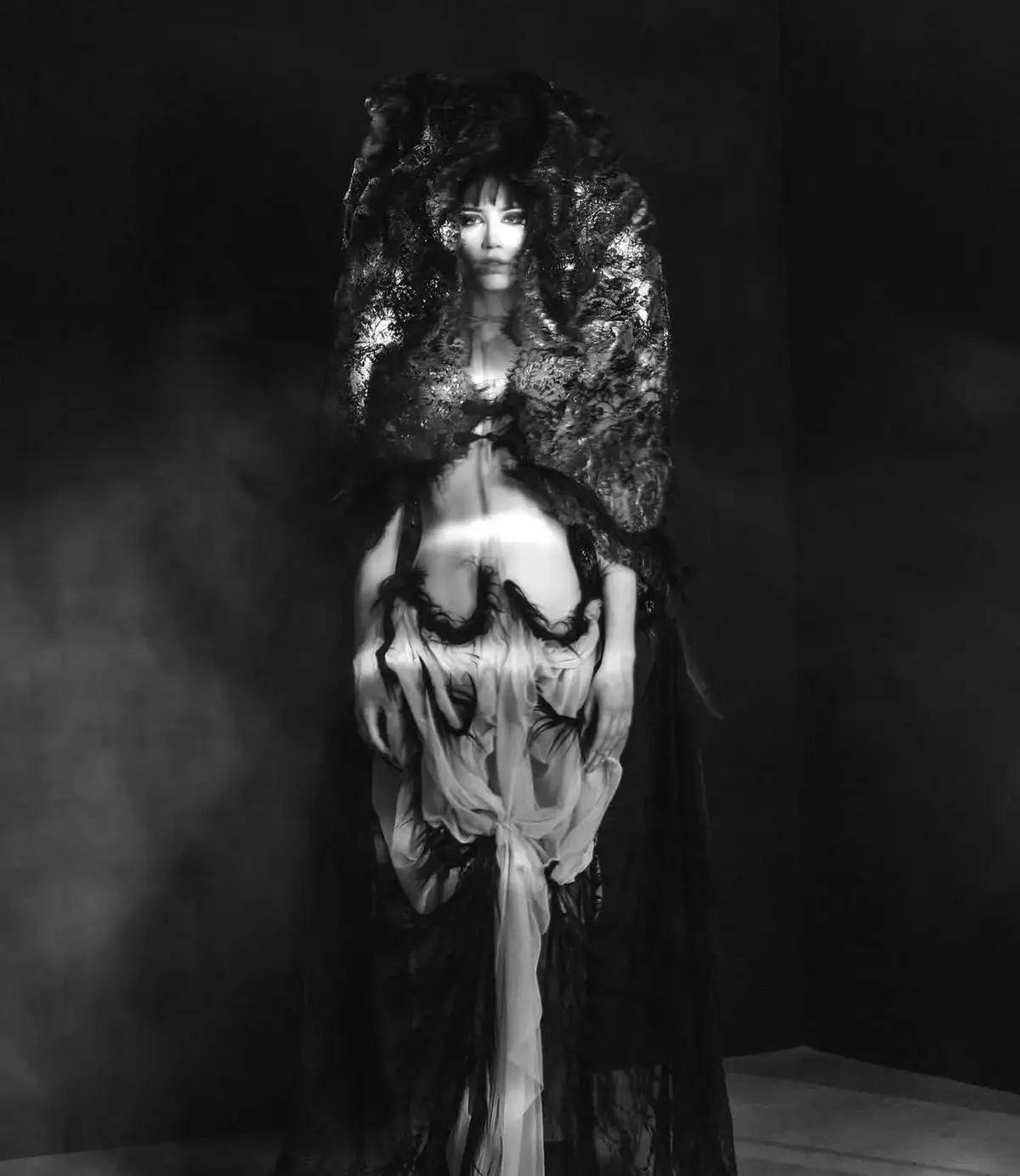
Albanian artist and designer Kejdi Biraçi makes tailor-made clothes for the client who seeks fantasy over convention. Her work draws from Albanian folklore, Victorian mourning culture, and a deeply personal approach to materials and process.
A graduate of Fashion & Textile at the University of Arts in Tirana, she has developed an independent practice centred on small-scale collections and experimental projects, often presented in exhibition settings rather than traditional fashion formats.
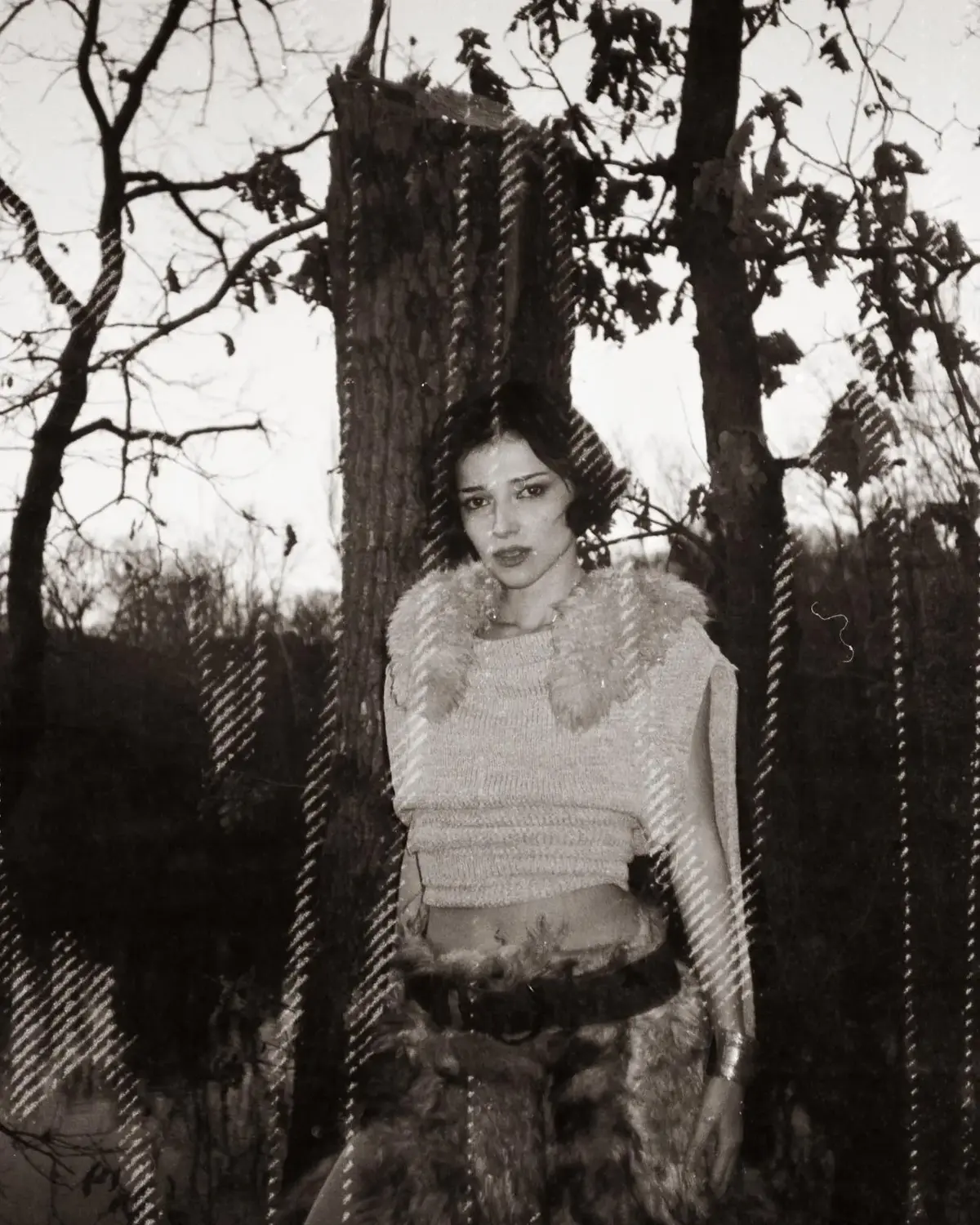
Kejdi Biraçi
Q1: Can you tell me a little bit about your journey as a brand/designer, and how did this start?
Kejdi Biraci: I was studying exact sciences, so something completely unrelated. I was drawn to fashion but existed on its periphery for a long time. Getting in was difficult with very little exposure around me, so it was a lot of experimentation without really knowing why. I've come to believe you need to absorb something from every field; art, life, everything.
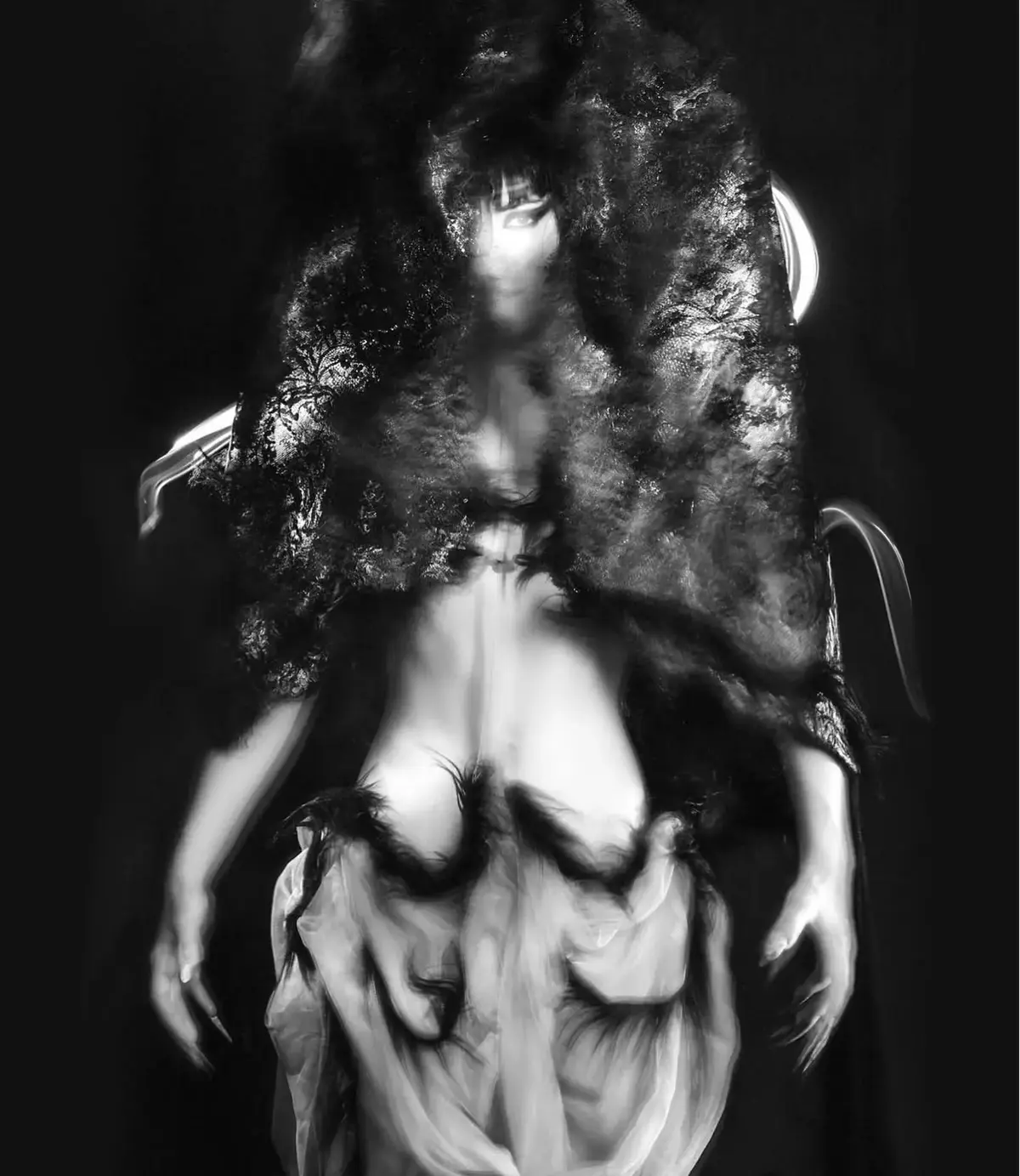
Model: @era.bajo
Photo credit: @rositahabazaj
Q2: How would you describe your work/most recent collection?
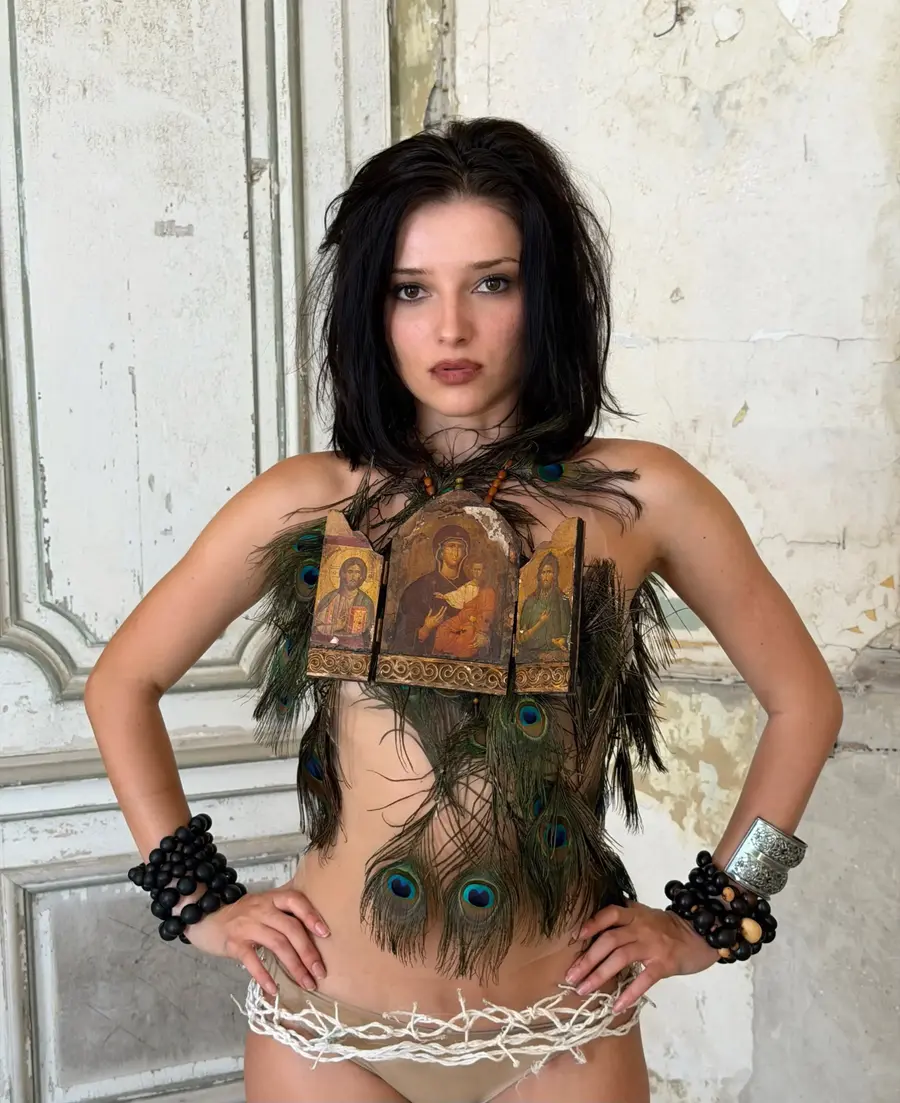
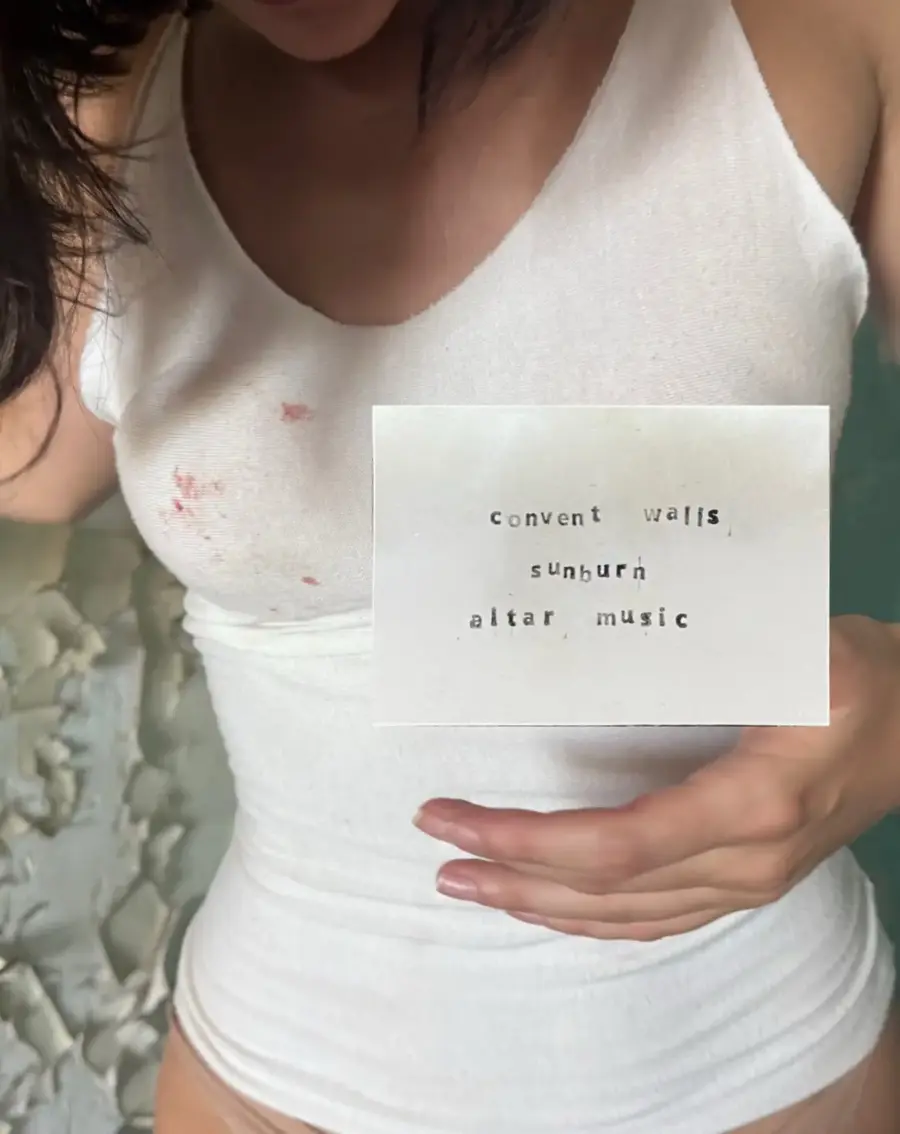
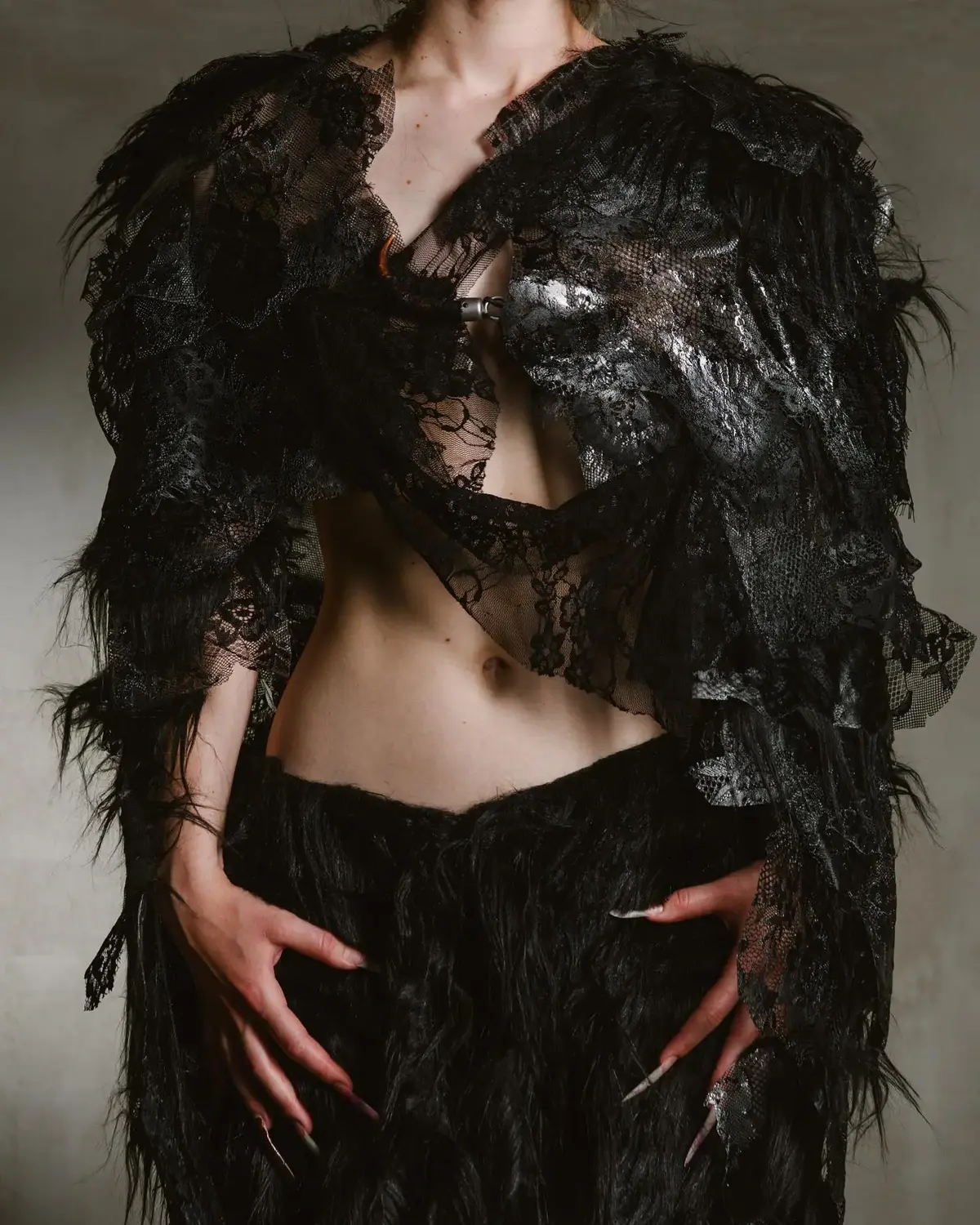
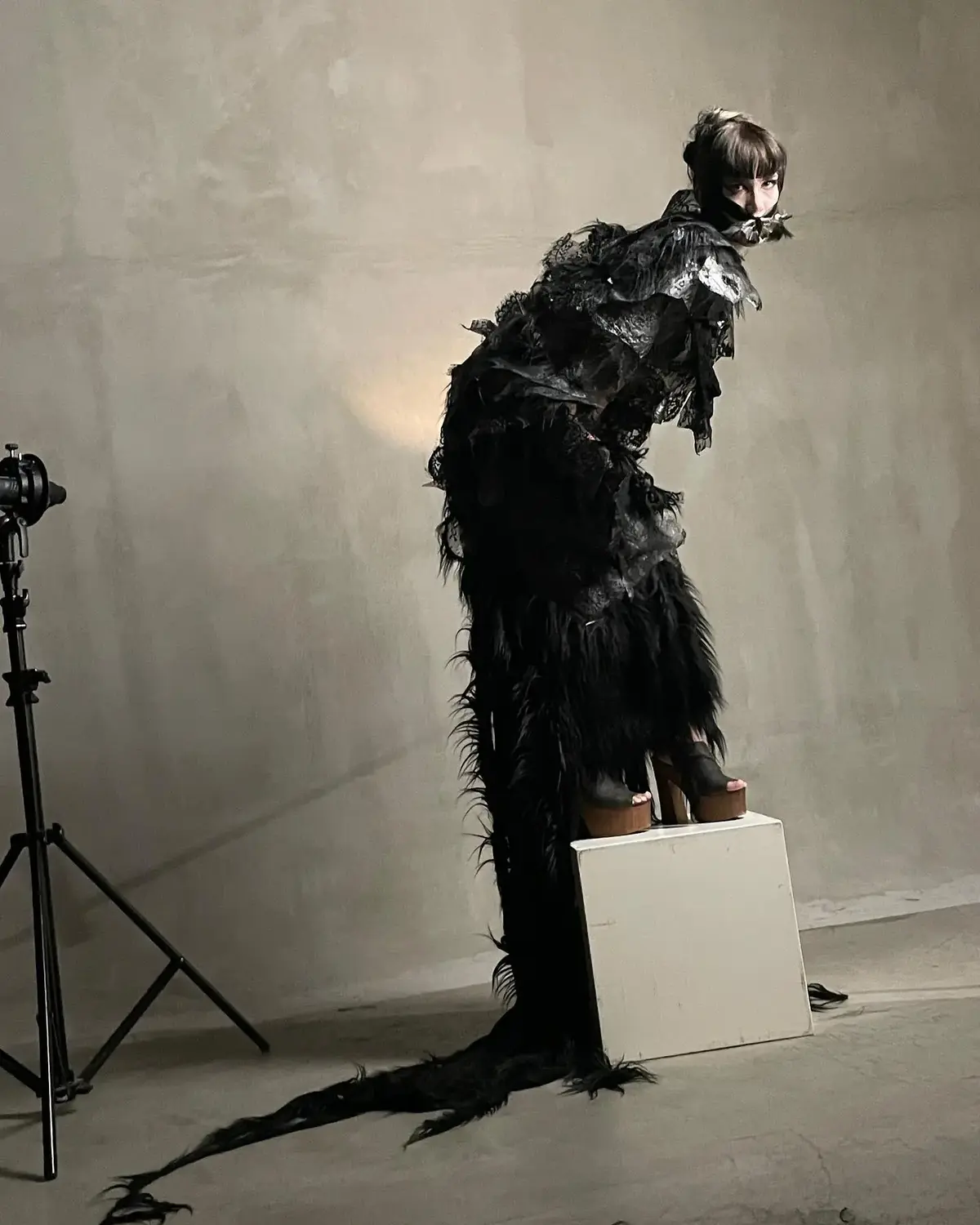
Kejdi Biraci: My recent work started with a singer who needed something stage-worthy. That led me to Ernest Koliqi's “Zana e Fundit” (the Last Fairy) which was about Albania once being inhabited by fairies who all died in war except the last one, and so this mythical being became my inspiration. Similarly, I also drew from Victorian mourning culture and hair work. Another collection was built around rust and decay. I'd coat objects with water and vinegar to oxidise them. Before this, my work had been more confrontational. This felt like a cleanse.
Q3: How do you see the industry progressing in Albania? What do you think its future might look like?
Kejdi Biraci: More people now want to look at experimental work, even if they won't wear it, which could be promising for more innovative designers. If you look at Muza (Albanian fashion competition), designers are actually quite different from each other, which is interesting. The last five years have seen real growth. Within ten years, something more substantial could take shape, however it’s hard to tell how this can look like.
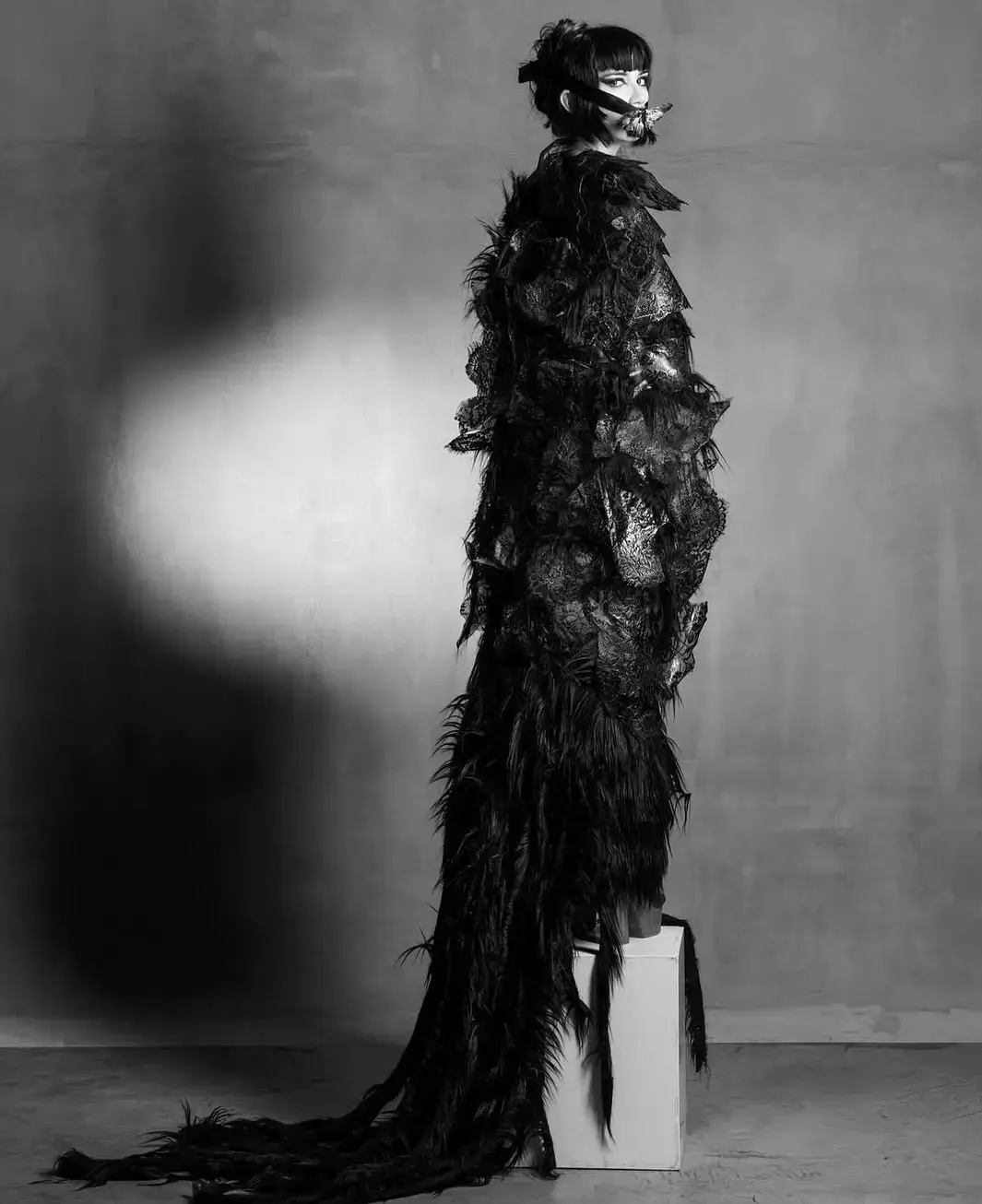
Model: @era.bajo
Photo credit: @rositahabazaj
Q4: What do you think needs to change to facilitate the progression of the industry in Albania?
Kejdi Biraci: The elitism. Fashion awards take themselves very seriously in a way that feels closed-off rather than celebratory. There are a lot of shut doors. And there's a real machismo problem; even globally, look at who holds the majority of the creative director seats.
Q5: What are some of the challenges you’ve encountered in your journey?
Kejdi Biraci: There's a lack of genuine fashion enthusiasm here. Albanians love to shop from big brands, but that's different from being invested in fashion as a culture. Gen Z seems more motivated, there's hope there. But the biggest problem is motivation, both collective and individual.
Q6: And whats next for you/the brand? Do you see your work being focused locally or internationally?
Kejdi Biraci: Until recently I didn't even want a brand, but that's shifted. I'm open to going slightly more commercial. I want to keep reinventing almost month to month. I don't see the work constricted by borders but similarly I don’t see it fit for the wider Albanian audience just yet.