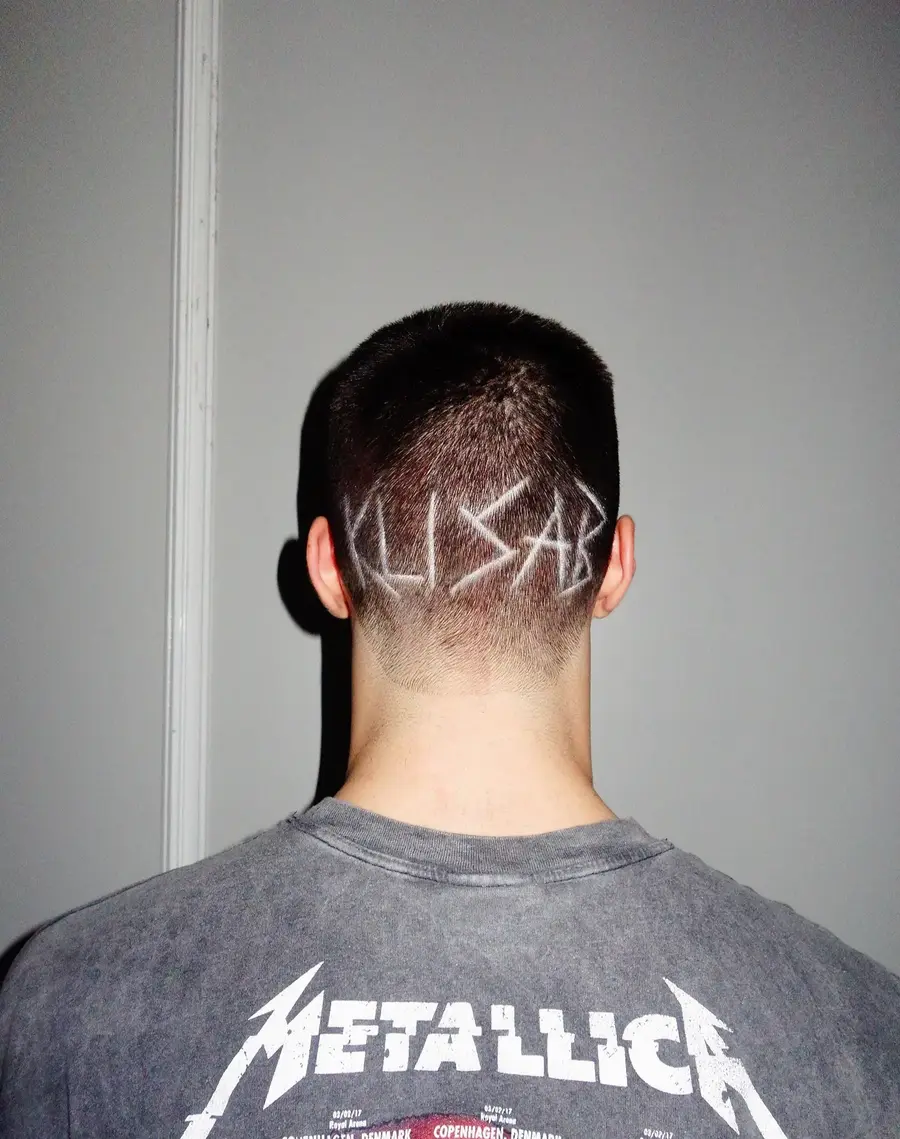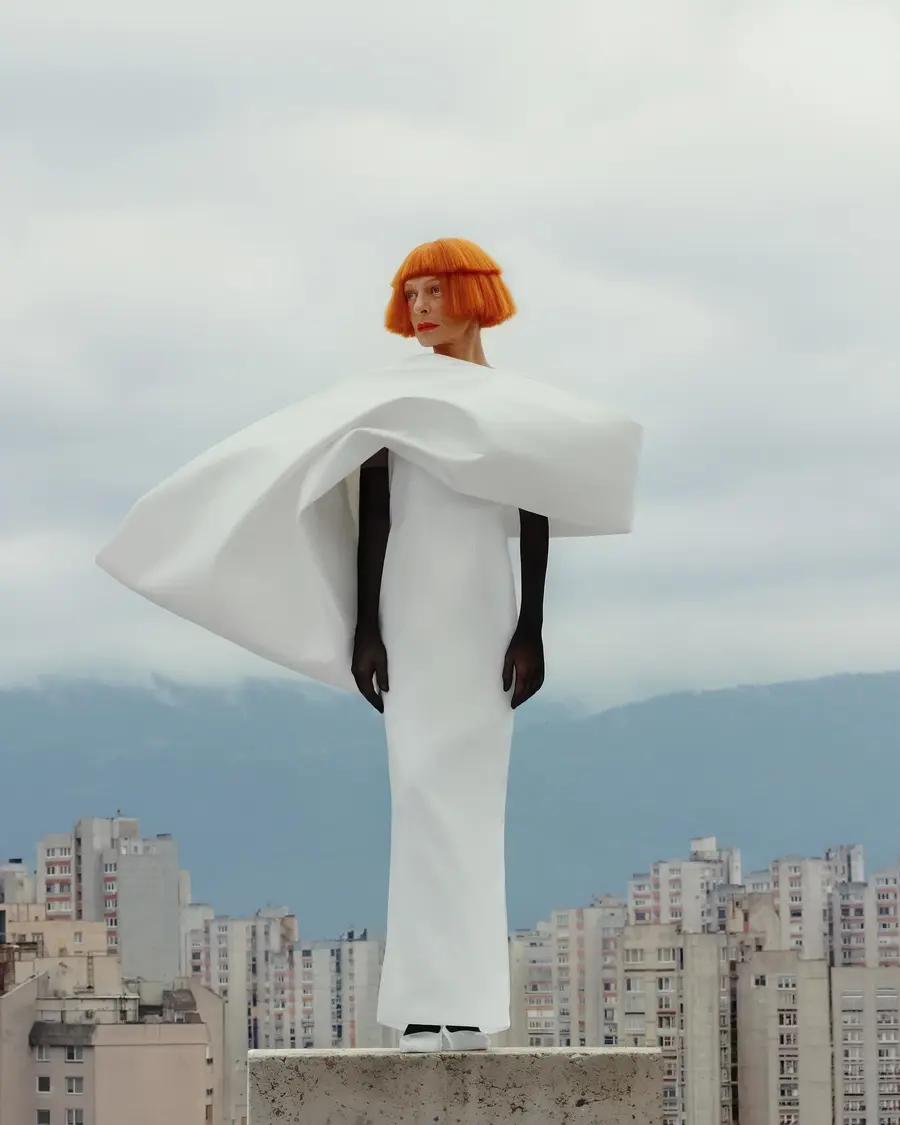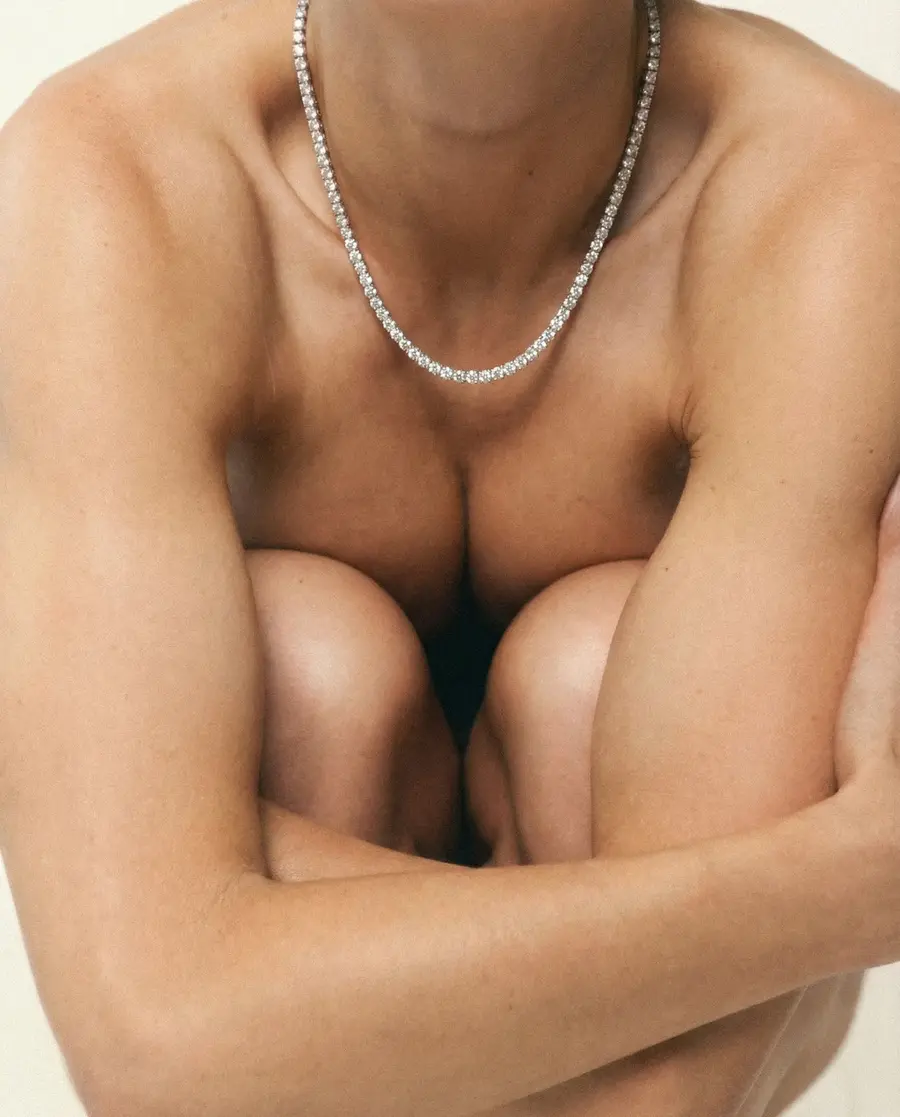
Balkan core will be the next big thing, not just as an aesthetic or travel trend, but as a return to mystery.
These lands carry something elemental: an undercurrent of superstition, sensuality, and myth that never quite left, yet was never fully discovered.
Vesna Goldsworthy, a Serbian writer and poet, wrote in "Inventing Ruritania - The Imperialism of the Imaginary" that “Balkan settings make their first, rare appearances in British literature to signify all-purpose semi-mythical remoteness, an imaginative ‘end of the known world.’” The book dates back to the 1990s, but that line still feels true today.
That thought resurfaced when I heard about Marina Abramović’s new Balkan Erotic Epic tour, a performance built around fertility rituals, body symbolism, and inherited folk gestures. It reminded me of the rituals I grew up with in Albania, especially Dita e Verës (Summer Day), a festival older than Christianity, where people leap over bonfires to welcome prosperity. In ancient times, the sun (Dielli) was worshipped as a deity; doors were painted with its symbol to attract fortune. I even have it tattooed on me: a pagan sun, inked as a reminder of abundance and rebirth.
This got me thinking how fashion is also inherently linked with these rituals and references. From my research on the topic on Balkan rituals, I have concluded that there are four main pillars of deity, belief and worship across most pagan cultures and how these are linked with fashion:
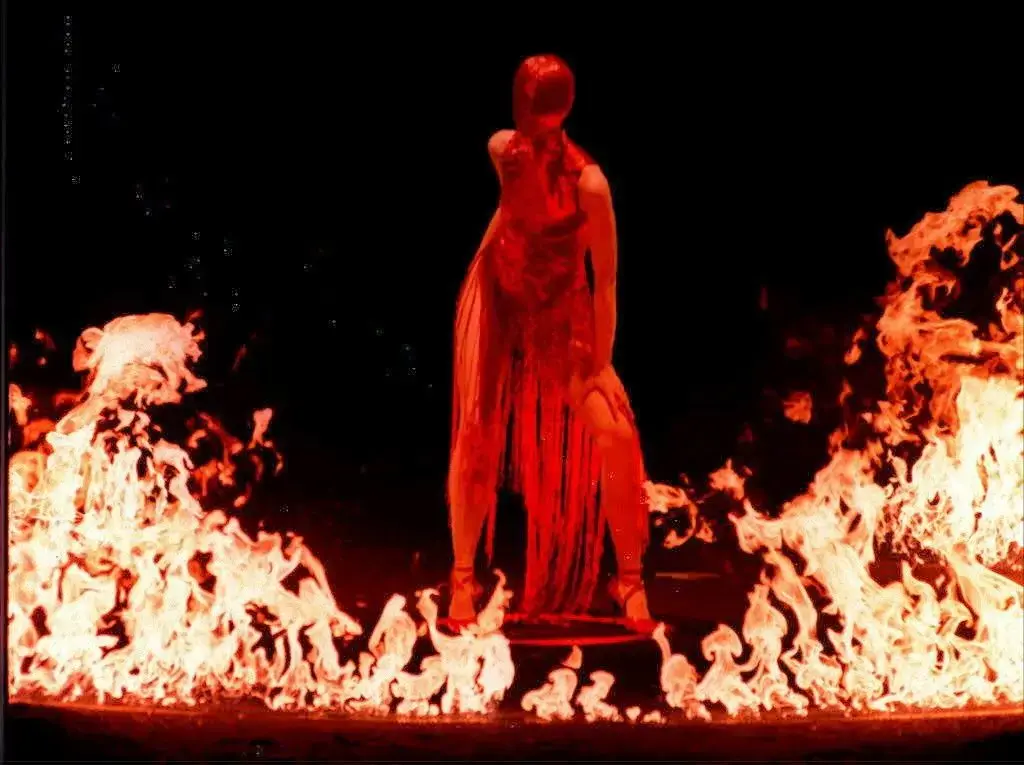
I. Fire - Rebirth
Fire has always been present in a way or another in fashion. It devours, purifies, hypnotises the perfect metaphor for an industry built on burning and rebirth.
In Albania and neighbouring countries paganism, fire is more than warmth, it’s considered bloodline. Zjarri i Vatrës, the Fire of the Hearth, is said to descend from the sun itself and it was thought that the hearth linked the living and the dead, generation to generation. Far north, the same reverence burned brighter. In Viking-age blóts, the goði, priest-chieftains, wore red-dyed wool and animal hides, bronze sun pendants flashing in the flames.
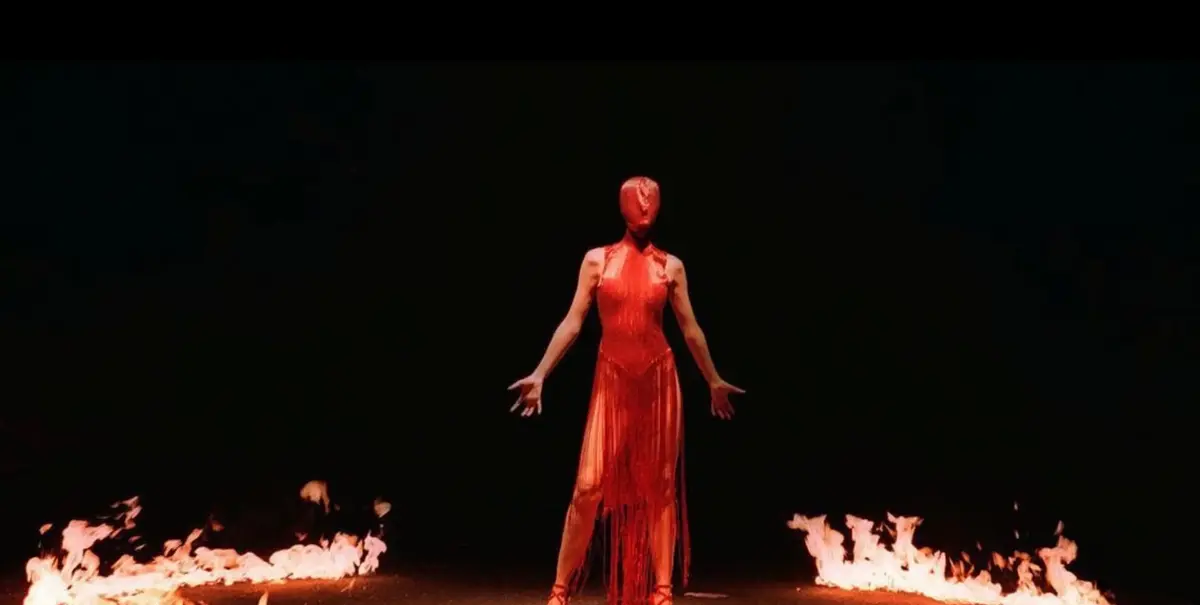
The same symbolisms show up in fashion. Alexander McQueen’s “Joan of Arc” (AW 98) ends in a woman engulfed by flame, silver chainmail glowing like molten skin, not as entertainment but as sacrifice. He understood what the ancients did: that to destroy something beautifully is the highest act of belief. Two years later came “Eshu” (AW 00), McQueen’s tribute to the Yoruba deity who rules crossroads and chaos, the messenger between mortals and gods.
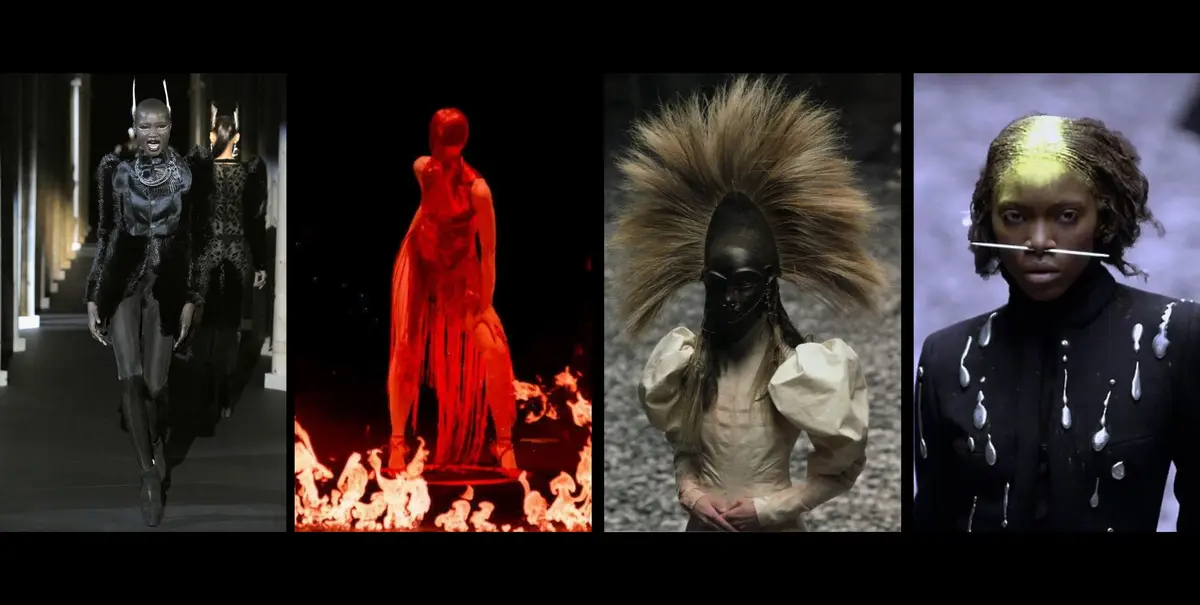
Fire elements across designers; namely McQueen & Mugler
Similarly, I love Issey Miyake’s collection “Dragon”, (SS98), which showcases burnt looks with a gunpowder explosion in the shape of the dragon. It just goes to show that fire brings about something new and different and destruction is just a way of rebirthing something else.
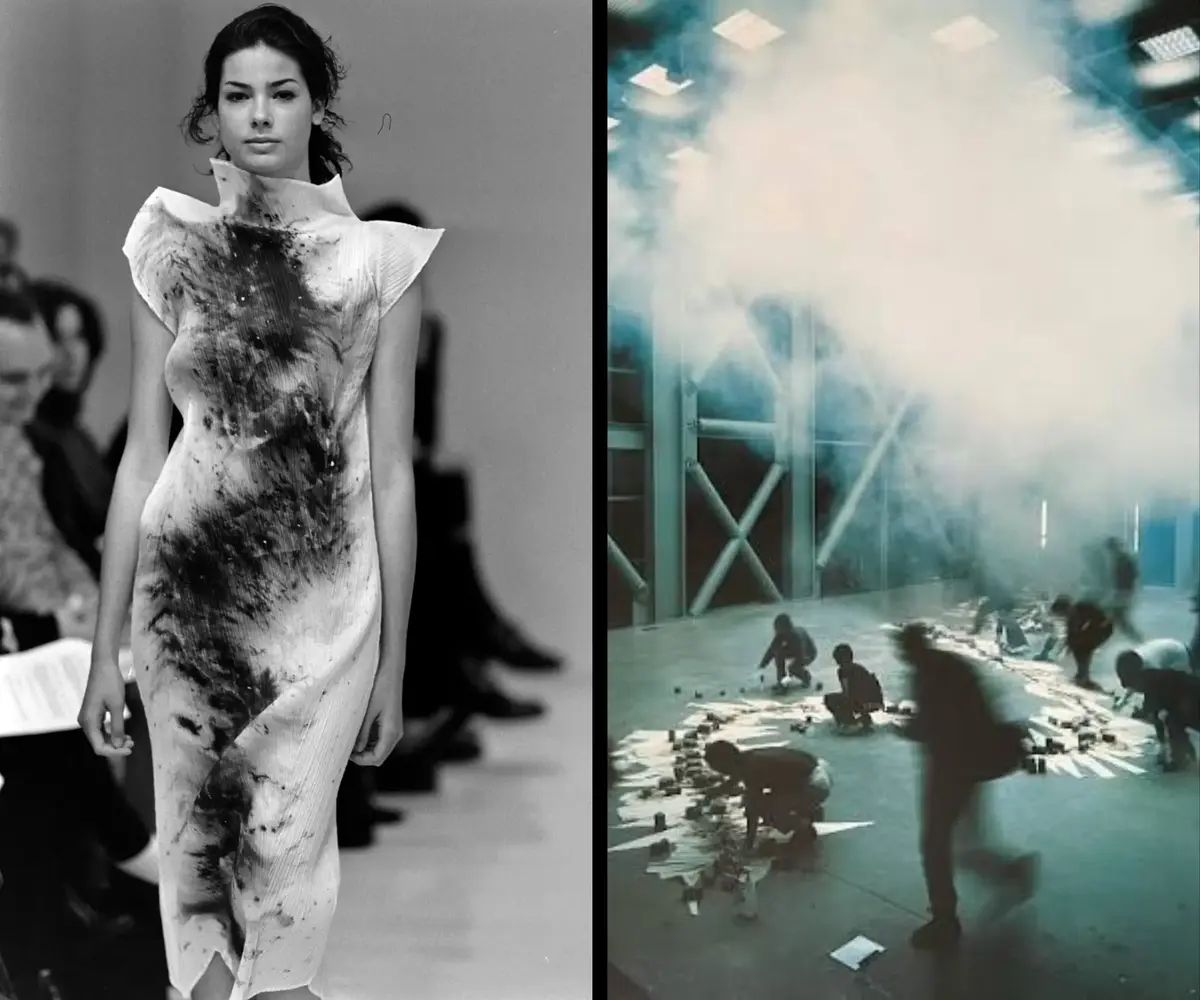
Issey Miyake SS98
II. Earth - Craft
Earth is the element fashion pretends to have outgrown, but it’s still everywhere: thread, needle, grain, soil.
In the Balkans, every stitch used to carry intention. The xhubleta, a carved, bell-shaped Albanian skirt, is patterned with suns and spirals meant to protect the body. In Romania and Bulgaria, women still tie mărțișor bracelets to trees when the first swallows return, trading red and white thread for luck.
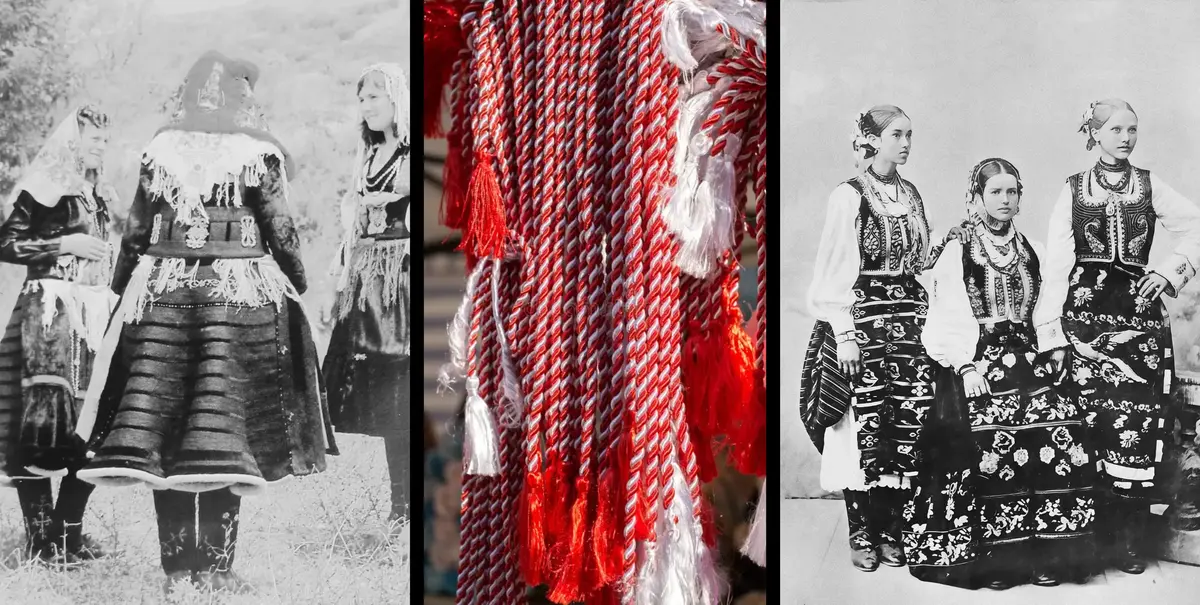
From left to right: Albanian xhubleta, mărțișor bracelets and Serbian traditional costumes
Elsa Schiaparelli’s 1938 collection, called “Pagan Collection” is one of the first references to paganism I saw in high fashion. The collection really encompassed the idea of metamorphoses and transformation (a big theme due to surrealism). Elsa loved the idea of women “blossoming” with her designs including earthly elements of leaves like wheat, flowers but also butterflies and insects which in many pagan cultures are talismans of good luck and protection.
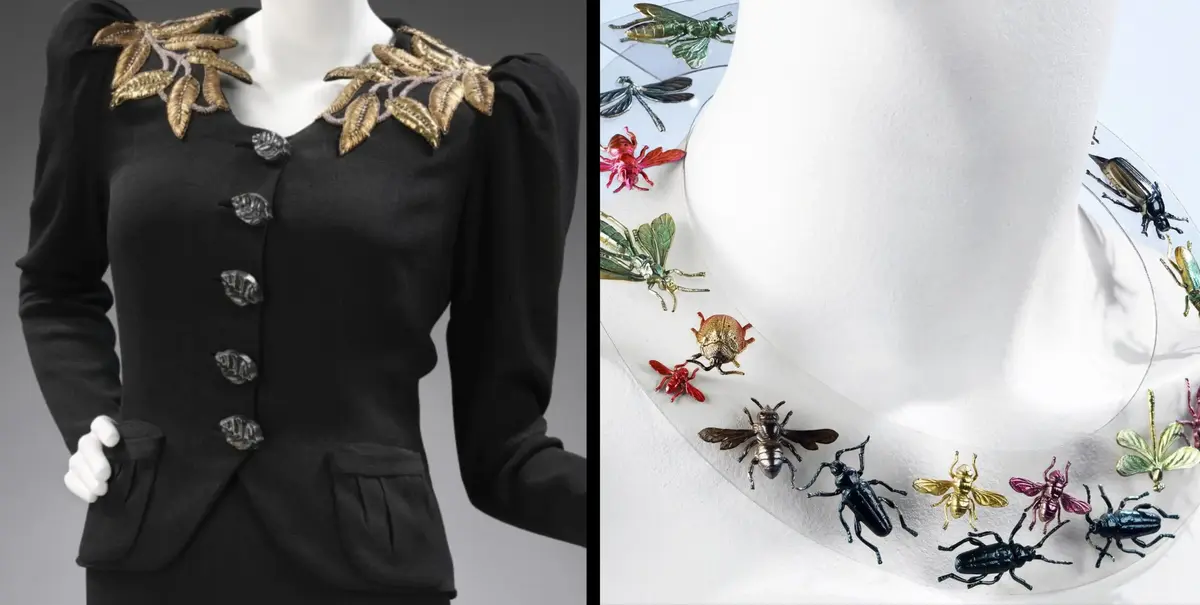
Elsa Schiaparelli 1938 “Pagan Collection”
Jean Paul Gaultier’s “Les Tatouages” (SS 94), also comes to mind when discussing this connection of earthly elements and the body. The models are all wearing tribal elements; clothes adorned with images of fields, trees and bodices that mimic full body tattoos in addition, headpieces and piercings. These tattoos mapped across the body and corsetry stitched like veins transcend fashion and almost serve as protective elements, most of them rooted from the earth. In the Balkan region, predominantly women donned Sicjane tattoos, for protection but also cultural identity. Usually bracelet-like designs were sometimes tattooed around the women’s wrists, either with crosses or a fence-like motif, an element seen also in JPG’s runways.
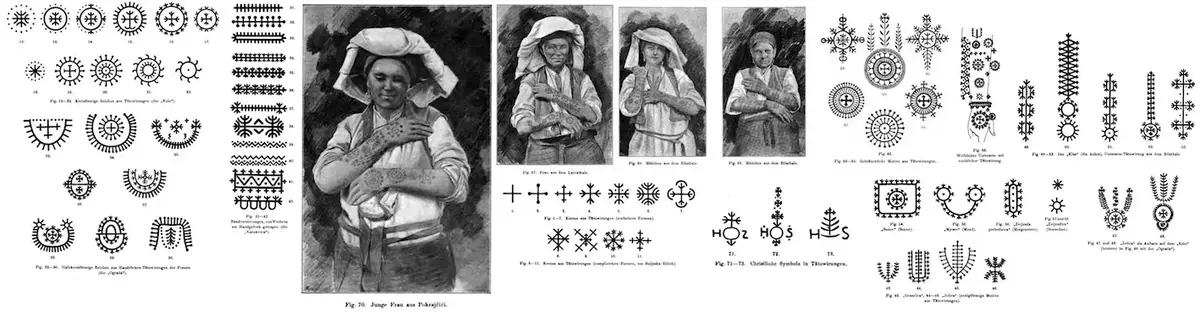
Traditional Balkan tattoos.
The JPG AW 05 catwalk was inspired by more Ukrainian and USSR folkloric motives (which are similar to some Balkan countries). The collection included beautiful furs but culminated with the last three final looks; Gaultier fuses eastern European embroidery, tapestry textures and almost priestess ceremonial opulence. To me this fully evokes past and ancient times, where folk lived in small villages and where townspeople, pagan priestesses and Tsarist brides all coexisted in harmony.
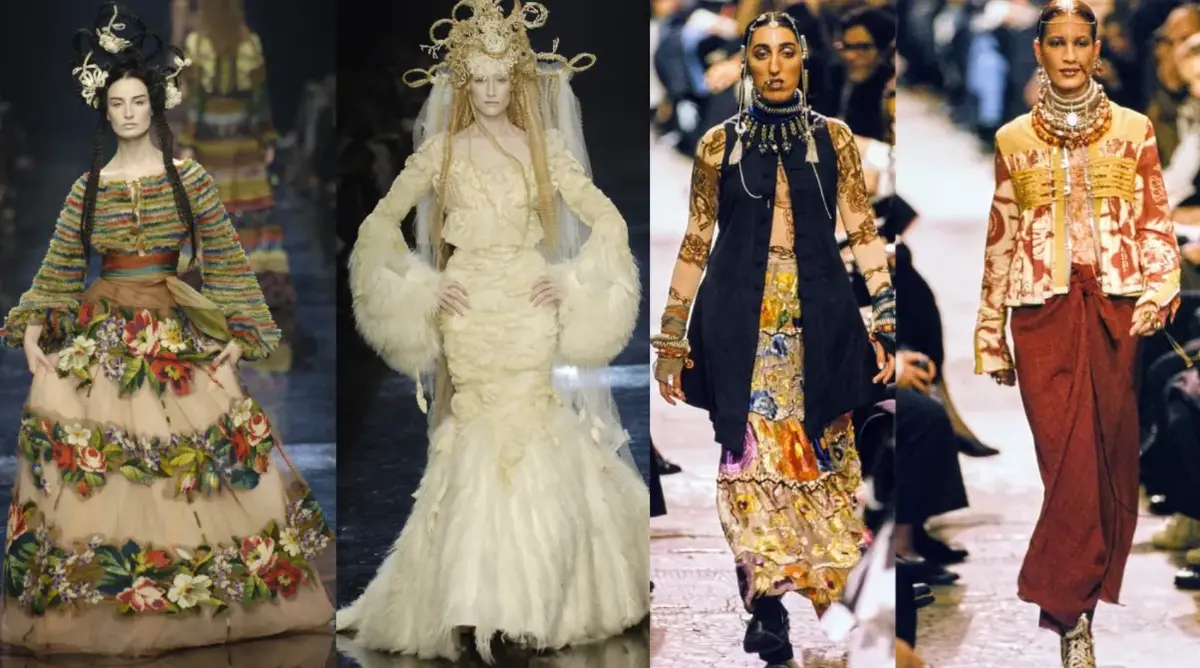
From left to right: JPG AW 05, SS 94
Sarah Burton’s AW 17 McQueen collection, inspired by a Cornish wishing tree, branches covered in ribbons, could have been pulled straight from our spring rituals. In both Cornwall and the Balkans, people still tie threads to bark, believing trees can hold hope better than we can. But even before this, the figure of the elm, long a symbol of the underworld in the Greek and Celtic Mythology can be seen recurring in the work of McQueen; in the prosthetic leg boots created for Aimeee Mullins in SS 99 and also in the fairy tail he created for “The Girl who Lived in a Tree” (AW 08).
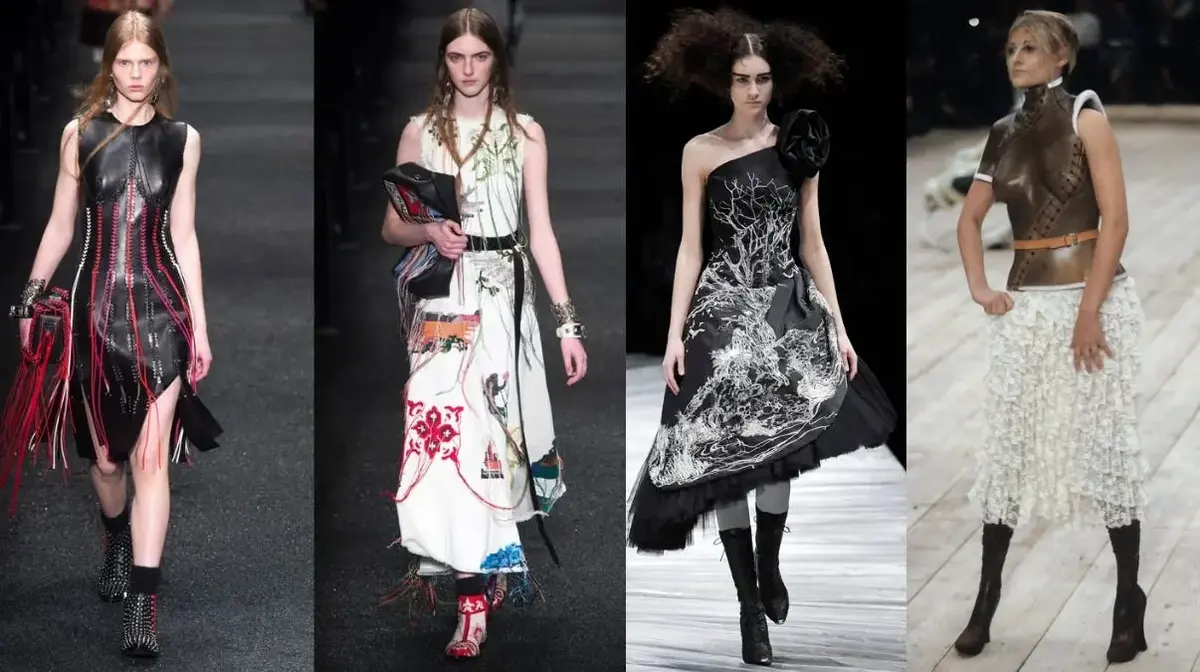
From left to right: McQueen AW 17 (first two looks), AW 08, SS 99
III. Water - The Softening
In Balkan folklore, women washed their faces in rivers before spring for health, with specific waters holding specific attributes. In Slavic stories, rusalki, water spirits, seduced men only to drown them, proof that beauty and danger flow from the same source. Water was more than a resource, it was a sacred, living element imbued with mystery, emotion, and transformation.
John Galliano loves to play with these elements (repeatedly). For his AW 85, the models were doused with water and dresses were dragged through the mud, referring to the mythical “muslin disease.” Similarly, the 2020 and 2024 artisanal collections of Galliano for Margiela felt like a water ritual. The models emerged soaked and translucent, their makeup intentionally cracked, and hair matted to their faces, mimicking those who have just risen from a river or the sea. Fabric, particularly lightweight silks and organza, clung to the body like a second, wet skin. The silhouettes dissolved, moving away from rigid structure and embodying renewal through letting go.
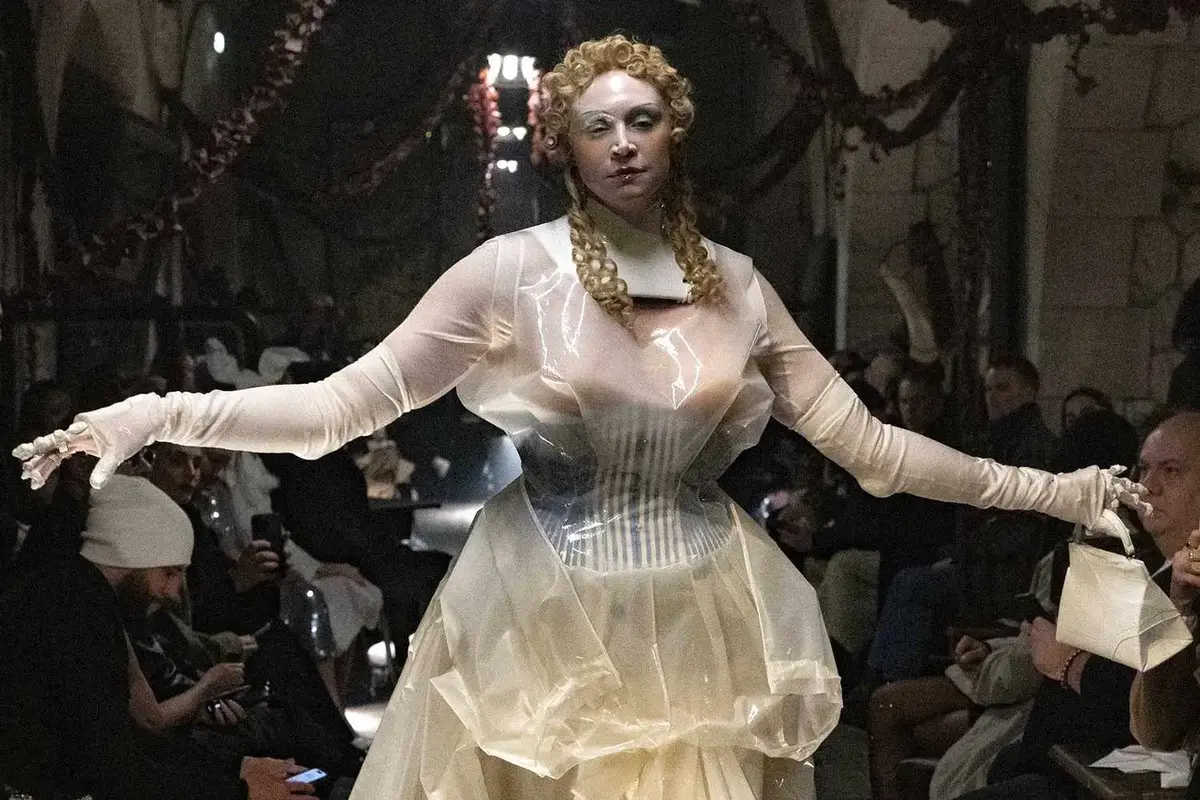
John Galliano’s Maison Margiela Spring/Summer 2024 Artisanal show
Iris van Herpen has built her own mythology around water for years, directly translating its physics into sculptural textiles. Van Herpen herself asks, “if dressing will become something non-material, something that is visible, but not tangible or touchable”, perfectly aligns with the pagan preoccupation with elemental spirits and the liminal space between worlds. Her “Sensory Seas2 (SS 20) collection, with its flowing, organic, marine-inspired forms, acts as a visual return to the primal source, transforming the wearer into a shape-shifting water deity.
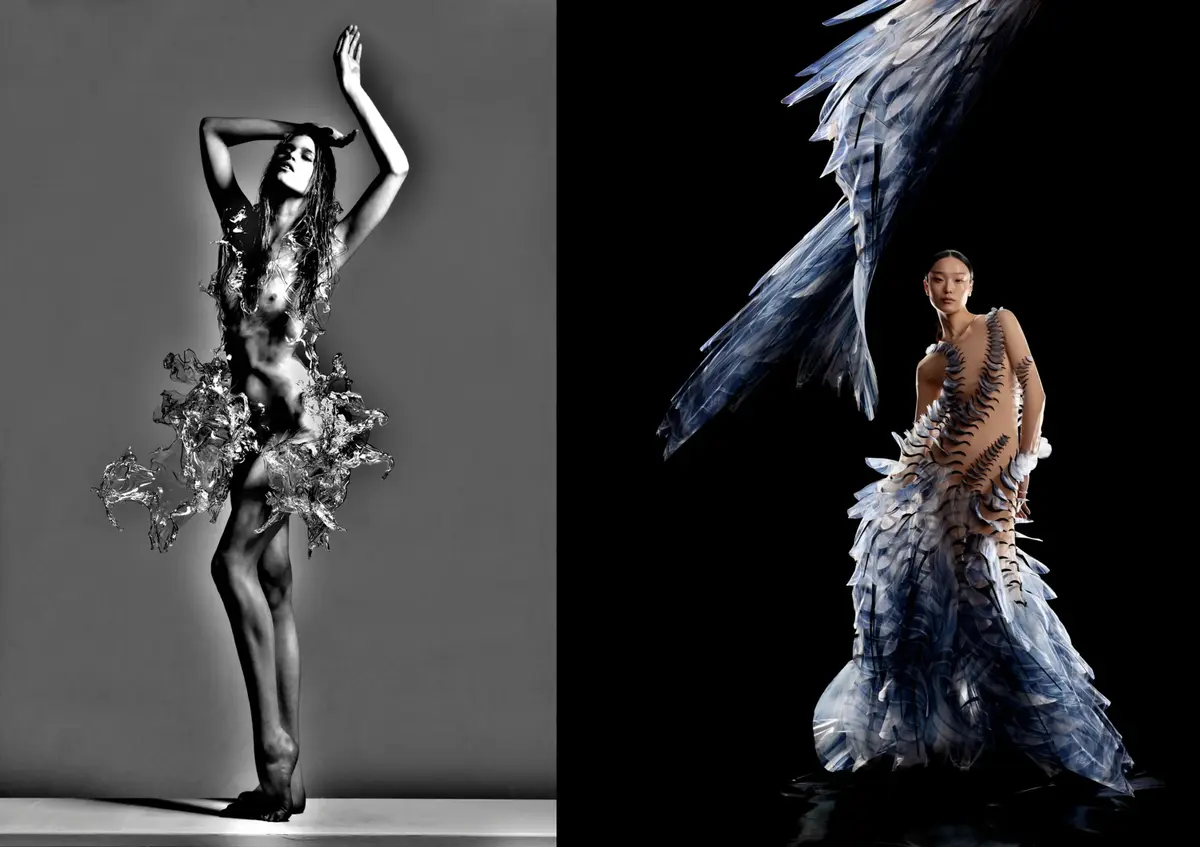
From left to right: SS 11, SS 20.
Water in fashion is always about surrender and fluidity. The silhouettes loosen, the face mask “melts” and the body is surrendered.
IV. Spirit & Body - Adornment
Spirit is the invisible layer, the reason pagans reached for symbols even when they didnt believe in them.
In the Balkans, protection charms still hang above doorways (the nazar and garlic to protect from the “bad eye”) mothers still pin small coins on a child’s shirt so spirits won’t notice them. And our Oras and Shtojzovalle, mountain fairies who weave the fates of men, are everything fashion’s old muses weren’t: fierce, independent, not to be tamed.
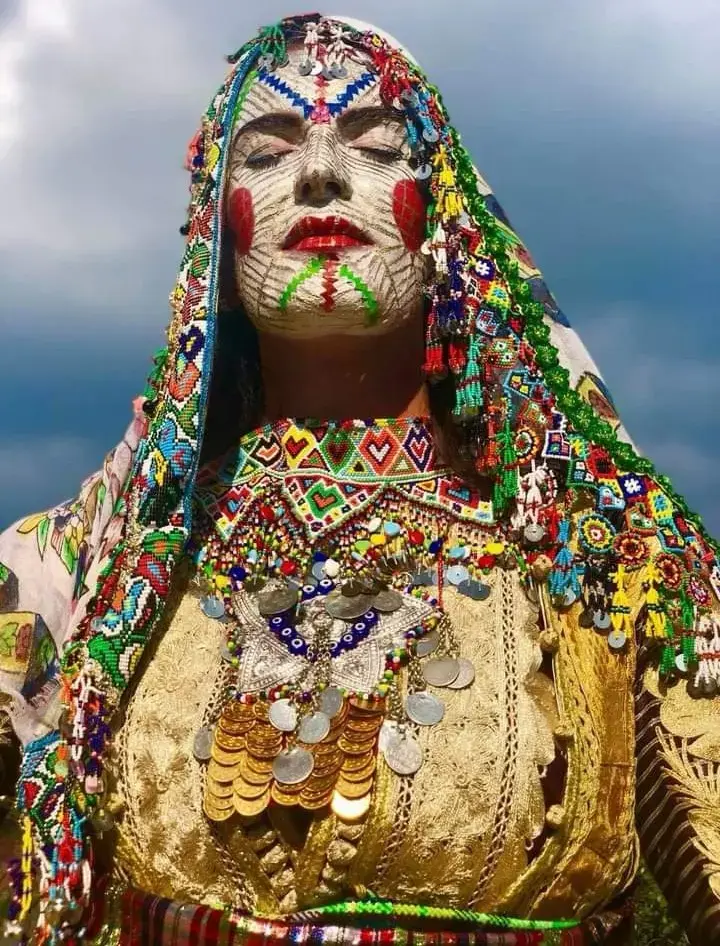
Bride adorned in charms and folkloric elements
This energy manifests when the clothing becomes a talisman:
I see the Shtojzovalle in Dilara Findikoglu’s world. This is clothing as spiritual armor, aligned with her newest SS26 collection “Caged Innocence”. There is much resemblance in Turkish folkloric and cultural systems, particularly around patriarchy, with those of the Balkans. Her newest collection speaks of this divine female liberation from societal norms. Her pieces often function like exoskeletons: corsets are constructed like rib cages and red ribbons are draped like exposed arteries. This aesthetic perfectly channels the Shtojzovalle’s dual nature: desirable yet dangerous, embodying a powerful feminine energy that is fiercely self-protected.
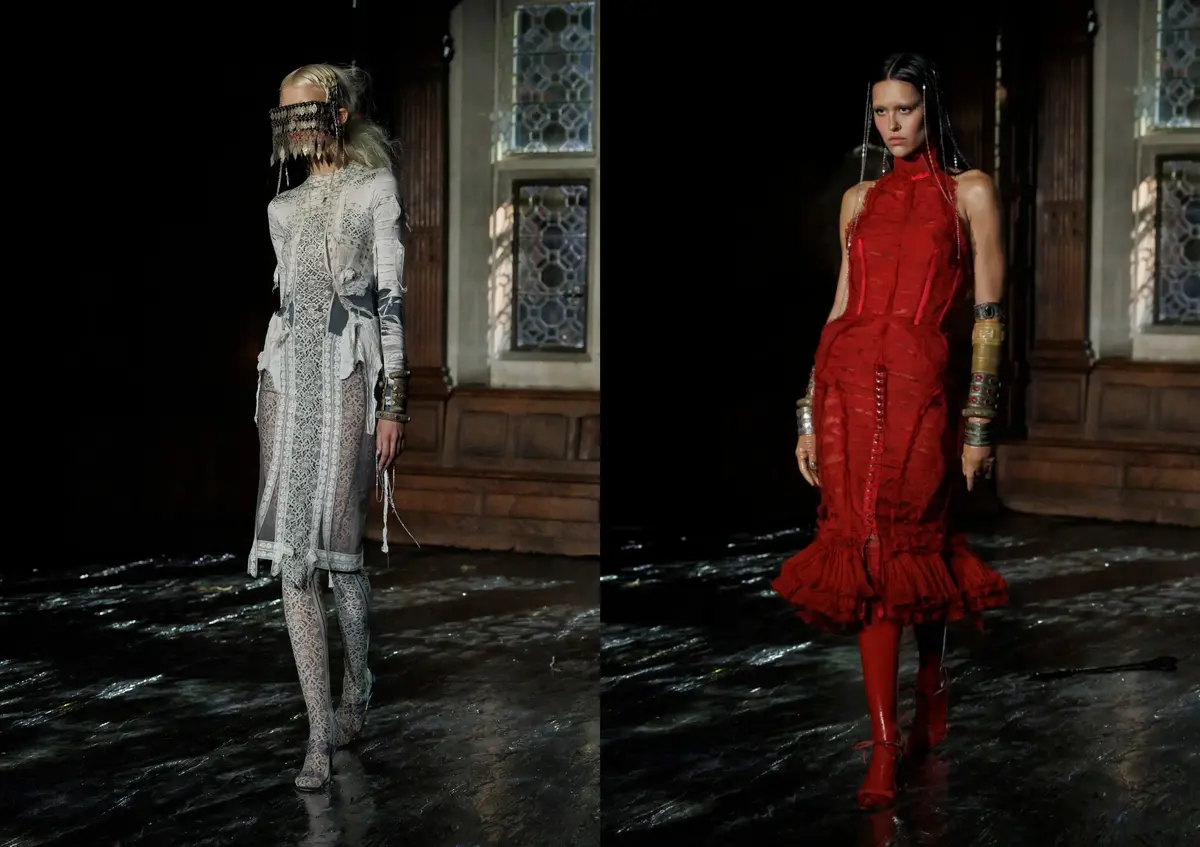
Dilara Findikoglu SS 26
Daniel Roseberry’s Schiaparelli channels the same divinity. He often uses literal golden eyes, lungs, and hearts cast in metal and affixed directly to garments. By displaying internal organs externally, the wearer is not hiding but they are declaring the body’s fragility and power simultaneously. The gold organs act as religious and surreal armour for an overexposed world, turning the body into an untouchable, protected idol. Interestingly in Albanian mythology, the dragues, semi human worriers with extraordinary strength, were said to have golden hearts with a jewel in the middle. This fulfils the ultimate pagan impulse: to adorn the self not for beauty, but for protection and power.
In conclusion, fashion is the last public ritual we have left. People still gather, watch, burn, and gasp.
“All fashion is pagan” because it still serves the same purpose rituals once did: to protect, to seduce, to transform. Whether it’s a McQueen show, a ribbon on a tree, it’s all the same act: turning hope into something you can wear.
Read more @bitterpeachx