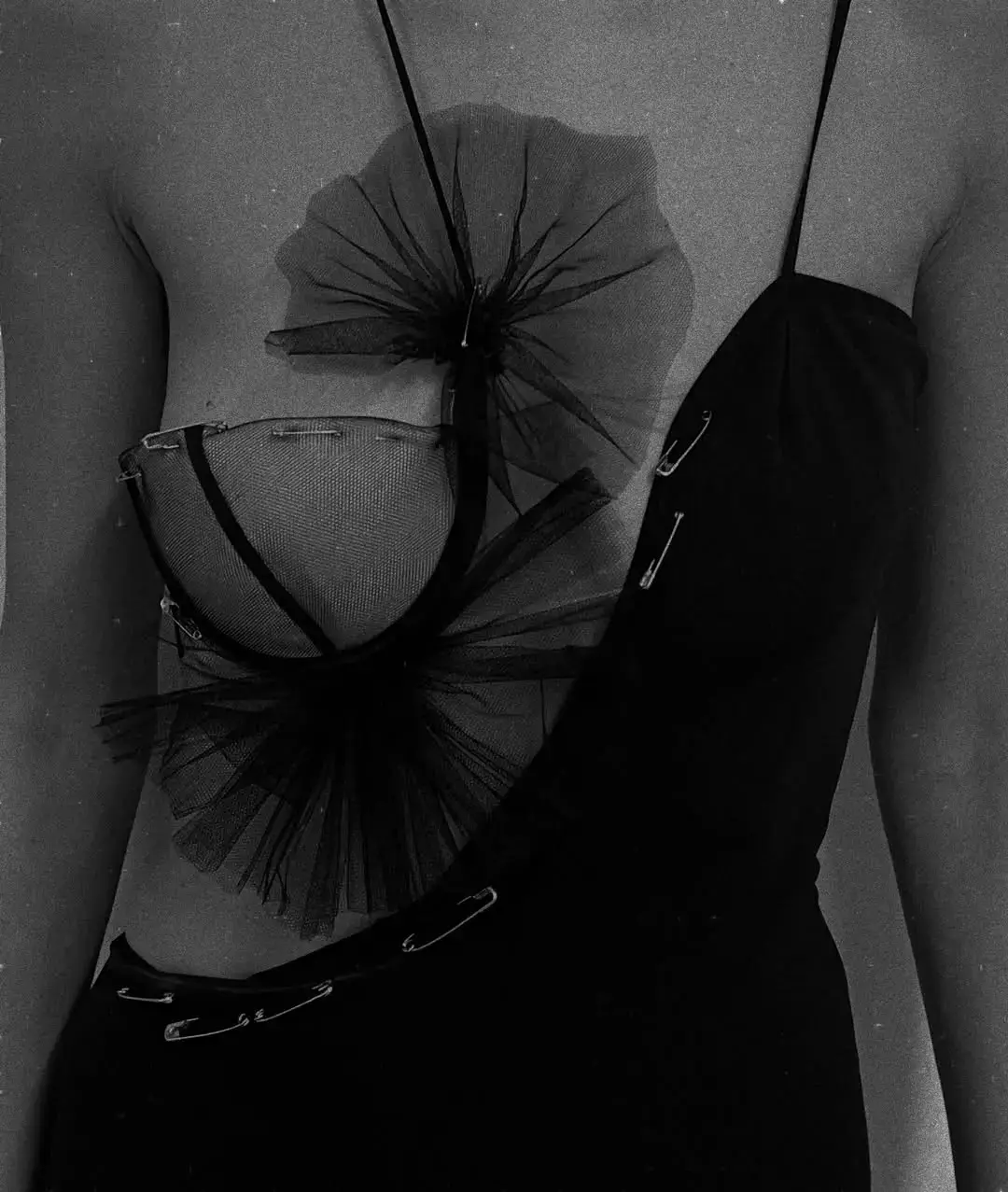
Nensi Dojaka is an Albanian-born, London-based fashion designer widely recognized as one of the leading voices of her generation and one of the most prominent figures to emerge from the Balkan region. A graduate of Central Saint Martins, she gained international attention early on and was awarded the prestigious LVMH Prize, marking her as a significant talent in contemporary fashion. Her work is defined by precision, restraint, and a distinct approach to femininity.
What follows is not a conventional interview. It is a conversation between two close friends. Through a shared language of art, Nensi Dojaka steps away from the language of fashion to reflect on the art that shapes her inner world - followed by photographs drawn directly from her personal camera roll.
Lisja Tershana is an Albanian curator, art dealer and founder of Mara Projects, a platform operating at the intersection of art, fashion, and contemporary culture. Her work focuses on building dialogue between disciplines, with a strong emphasis on contemporary art and emerging voices.
LISJA: What’s on the walls of your home or studio right now?
NENSI: On my wall at the moment, there's a poster of one of my favourite paintings ever, called ‘Flaming June’ by Sir Leighton Frederick - a late 19th-century work that explores how a single dominant color can carry an entire composition, something quite experimental at the time. The figure is arranged in a near-perfect circular form, almost like a closed system.
Then, there’s two smaller posters of paintings by Noah Davis and Ithell Colquhoun. I also have a beautiful painting by Albania's prime minister, Edi Rama. Before politics, Edi Rama studied painting at the Academy of Fine Arts in Tirana and worked as an artist.
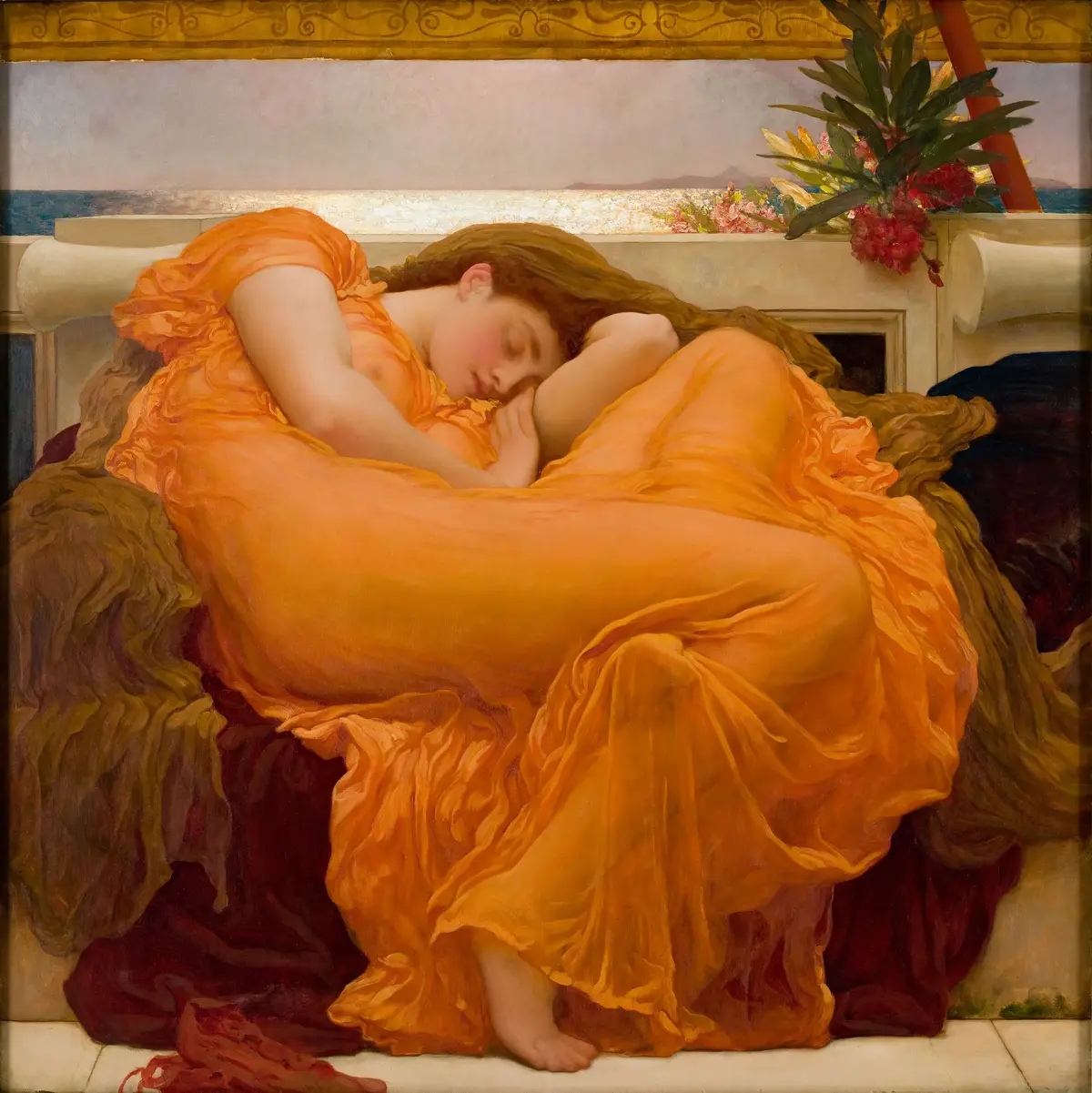
Flaming June (1895) / Sir Frederic Leighton
LISJA: Before coming to London, what were you looking at? What was available to you growing up in Albania, and what was absent?
NENSI: There was definitely an absence of exhibitions or any format of viewing art in Albania as I grew up. But I think there's a beauty to that, as it allows a child’s brain to roam freely into fantasy without having an example/ a reference. So I believe the lack of knowledge in this case was an advantage to a degree. I was, however, seeing my art tutor’s own work quite often and a lot of it revolved around portraits which is why I probably developed an inclination towards analysing the human body and proportions.
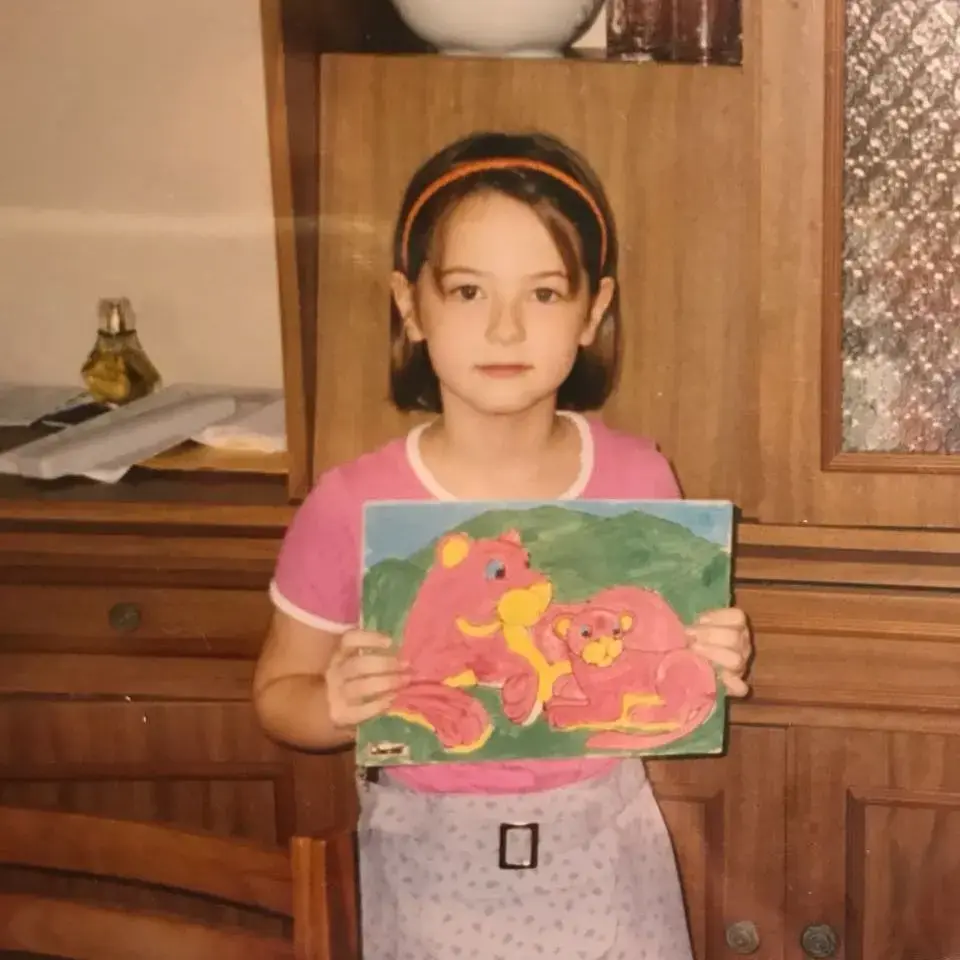
Nensi Dojaka as a child
LISJA: If you were to explain the way you see to someone, which book of images would you give them?
NENSI: The Poppy Jones book.
Poppy Jones is a contemporary British artist who works with mono-printing creating deceptively simple images that blur the line between photography, painting, and still life.
I love the exploration of florals that walks a fine line between painting and object. There's a softness to it that i resonate with and there's almost like a watercolor nature to it, which makes it very delicate and precious.
LISJA: We spent time in Mexico City together earlier this year. Is there something you saw there that has stayed with you or found its way into how you think about your work?
NENSI: Yes, definitely. Being in legendary Luis Barragán’s spaces was incredibly influential - the way he works with light and shapes it throughout the day. It reinforced the idea that design is about the details and how it makes a person, that interacts with it, feel.
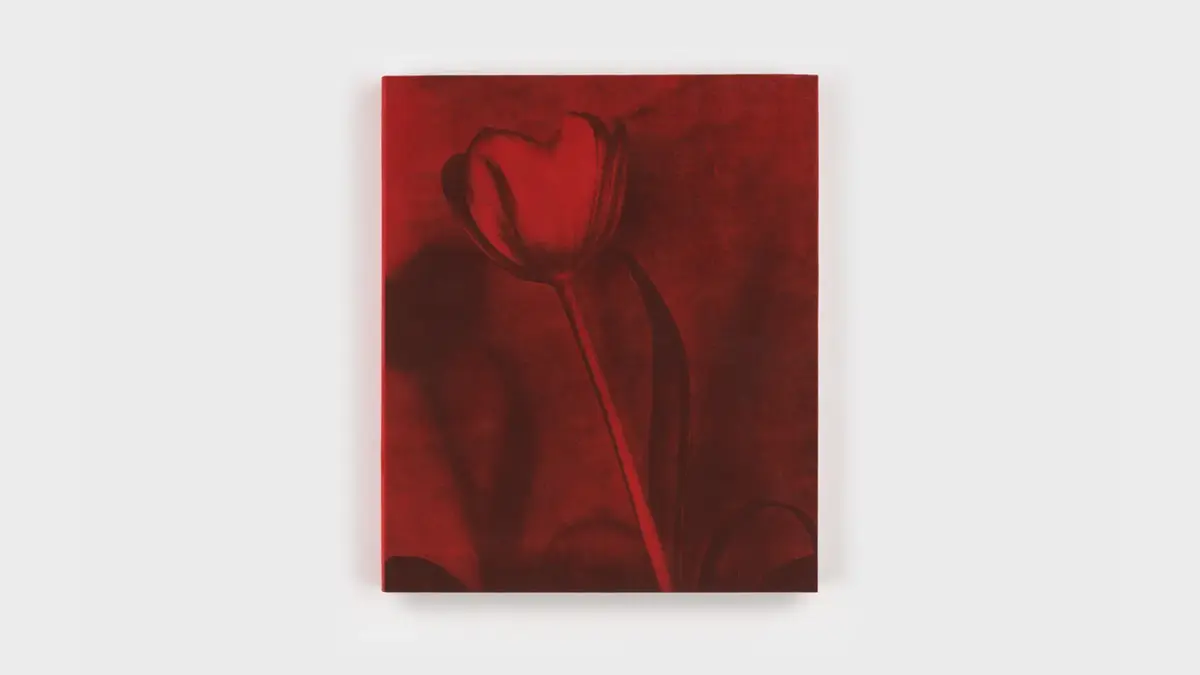
Poppy Jones Book / © Poppy Jones, Zolo Press
LISJA: Which artist, living or dead, emerging or established, are you paying attention to?
NENSI: I really fell in love with the work of Bianca Raffaella when I saw it for the first time in London. I love how poetic the paintings are and how she knows exactly when to stop with composition and colour. To me, her work is very romantic.
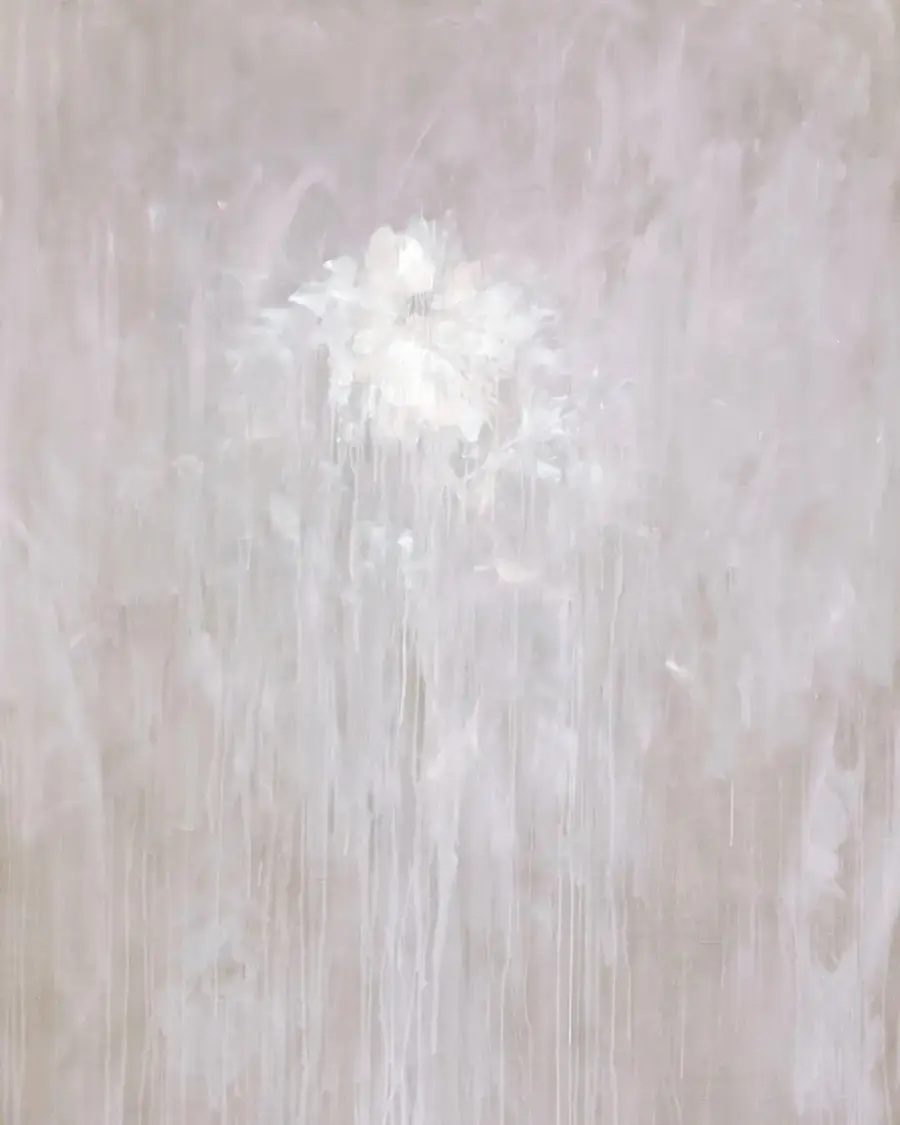
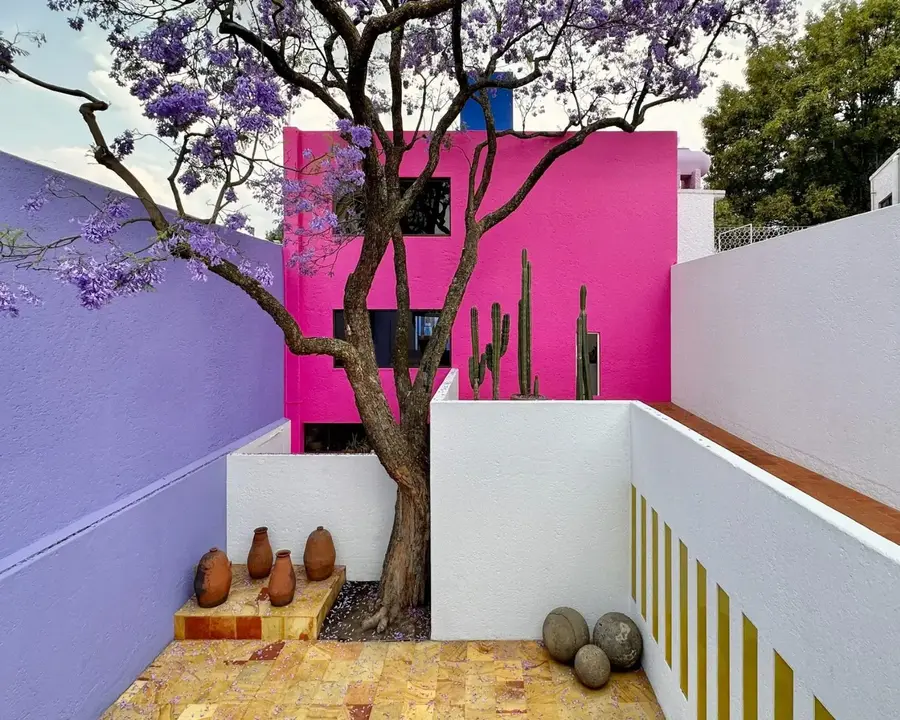
Bianca Raffaella / Casa Gilardi (Mexico) by Luis Barragán, © 2026 MArch Valencia. Arquitectura y Diseño
LISJA: You’ve previously referenced Goude's images of Grace Jones as an inspiration for your SS23 collection. In these photographs that are distorting and reconstructing her body, what exactly is it you're drawn to?
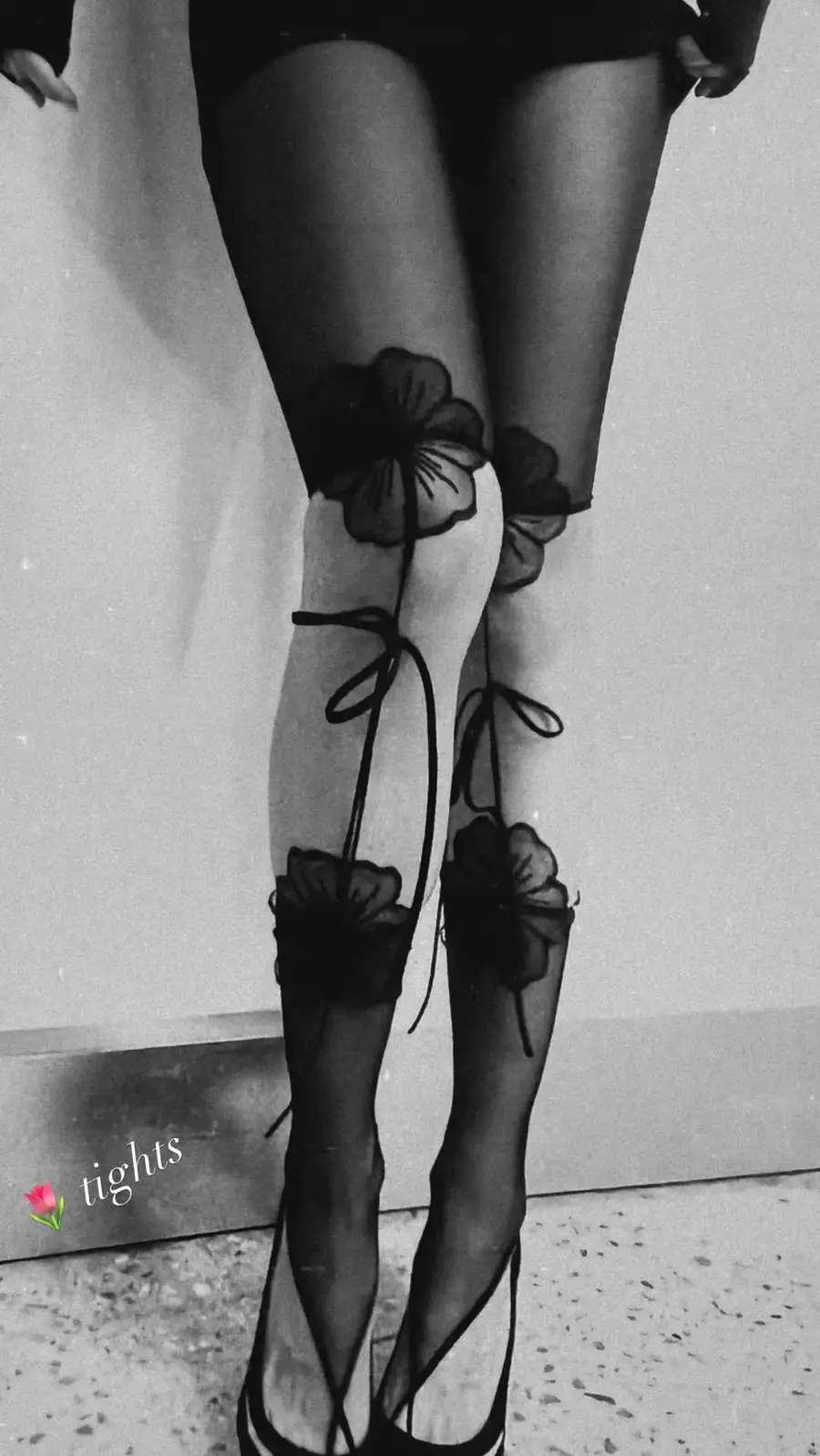
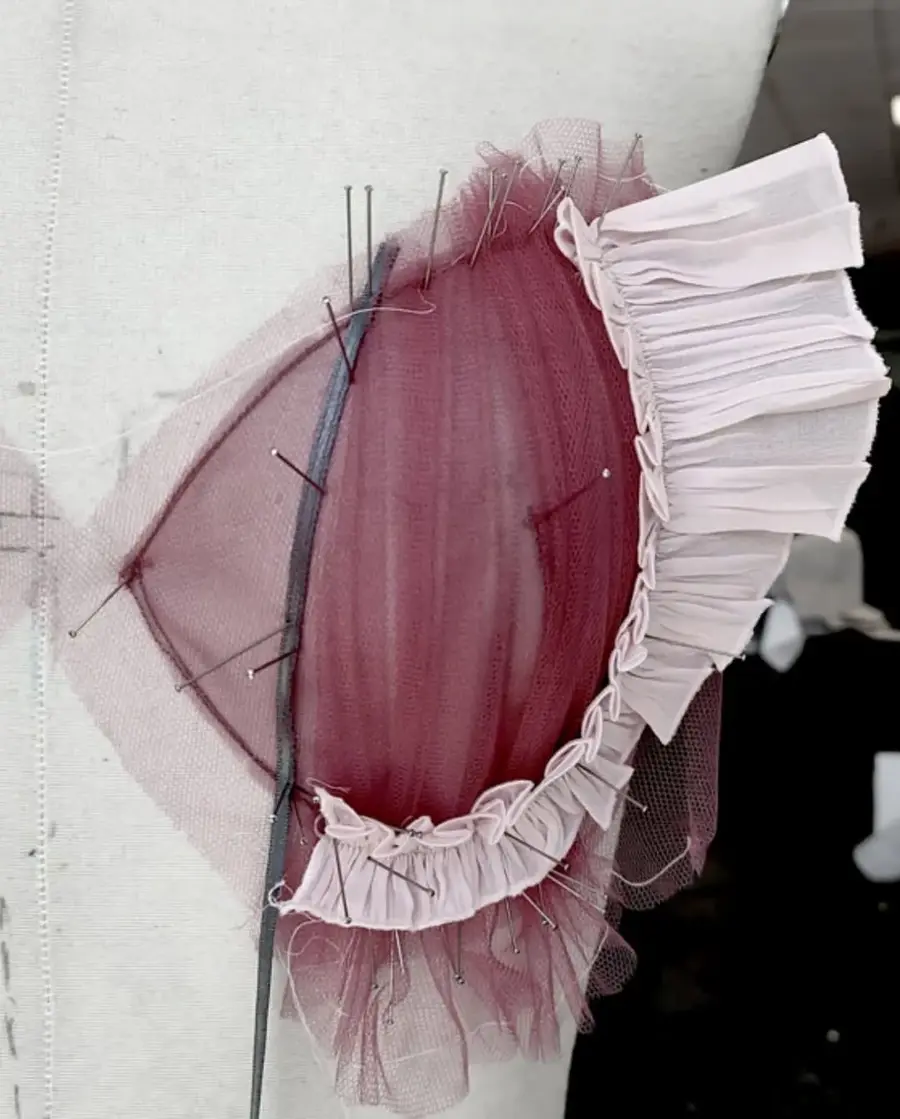
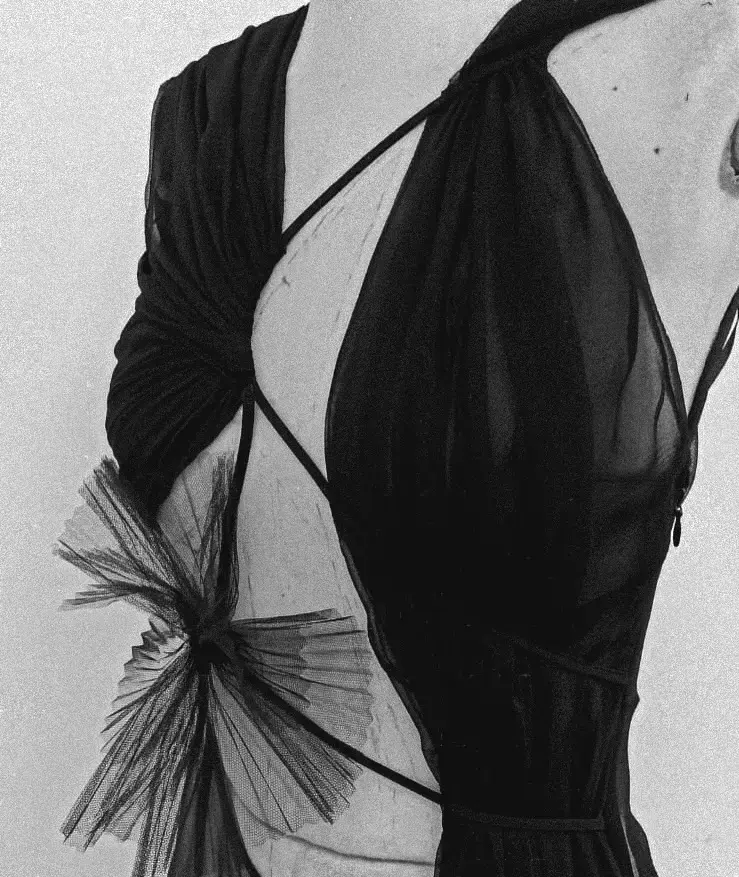
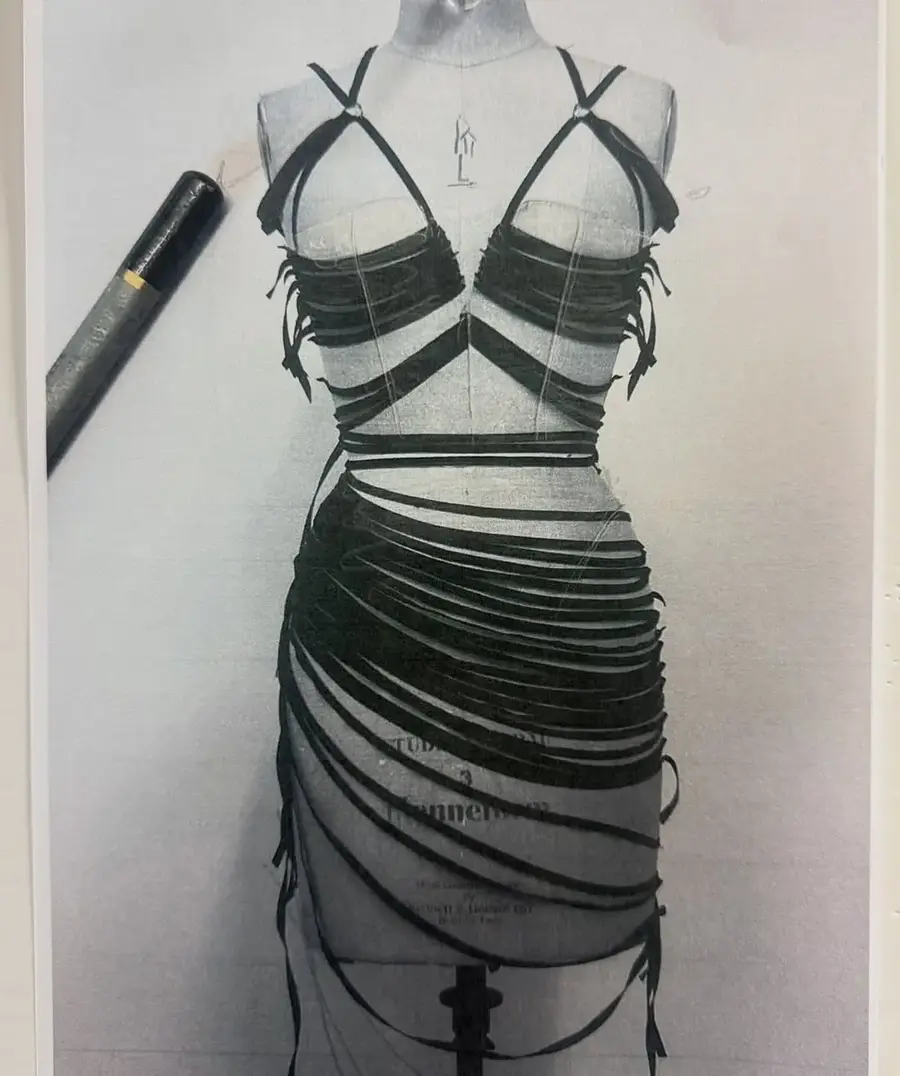
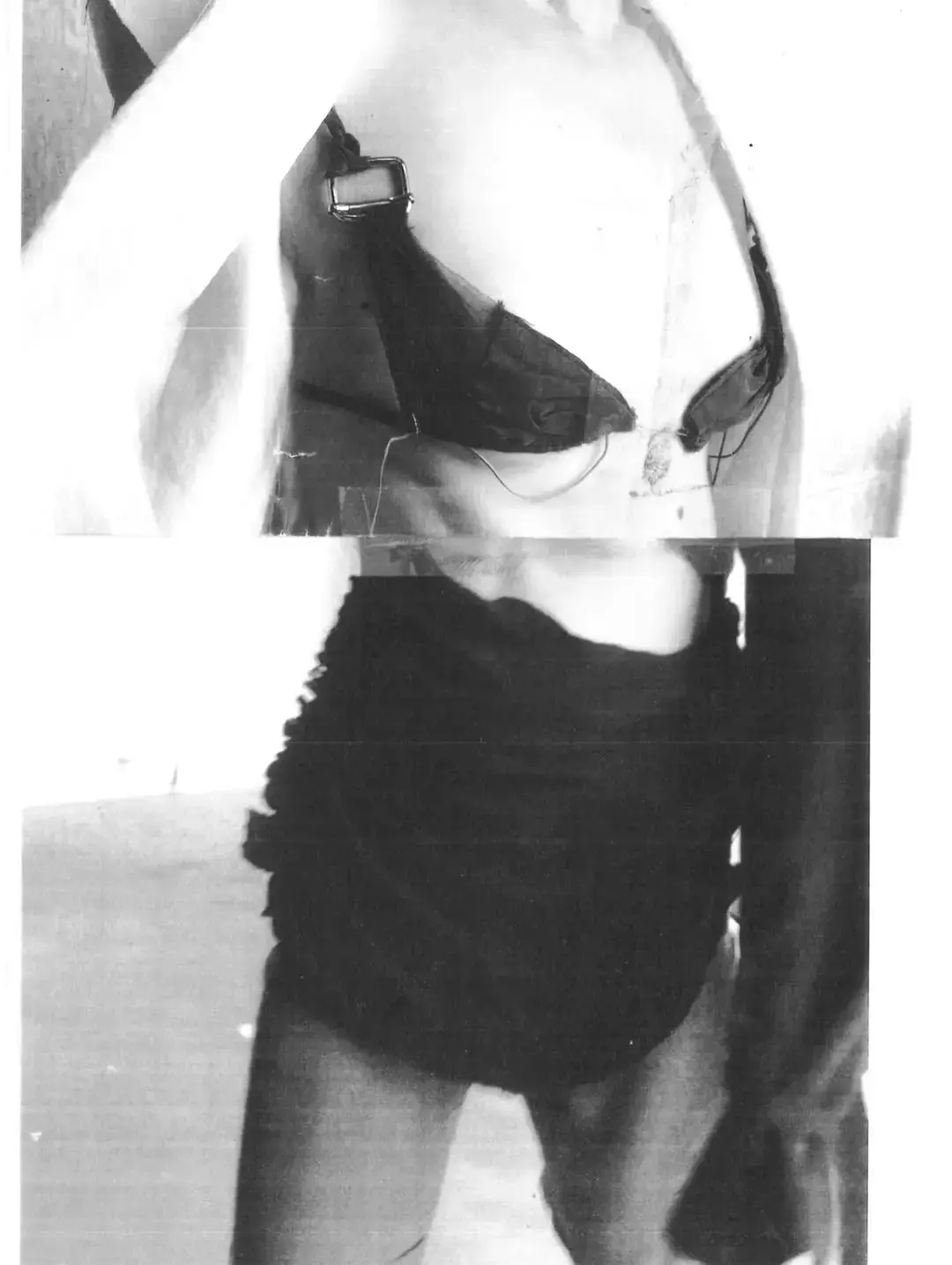
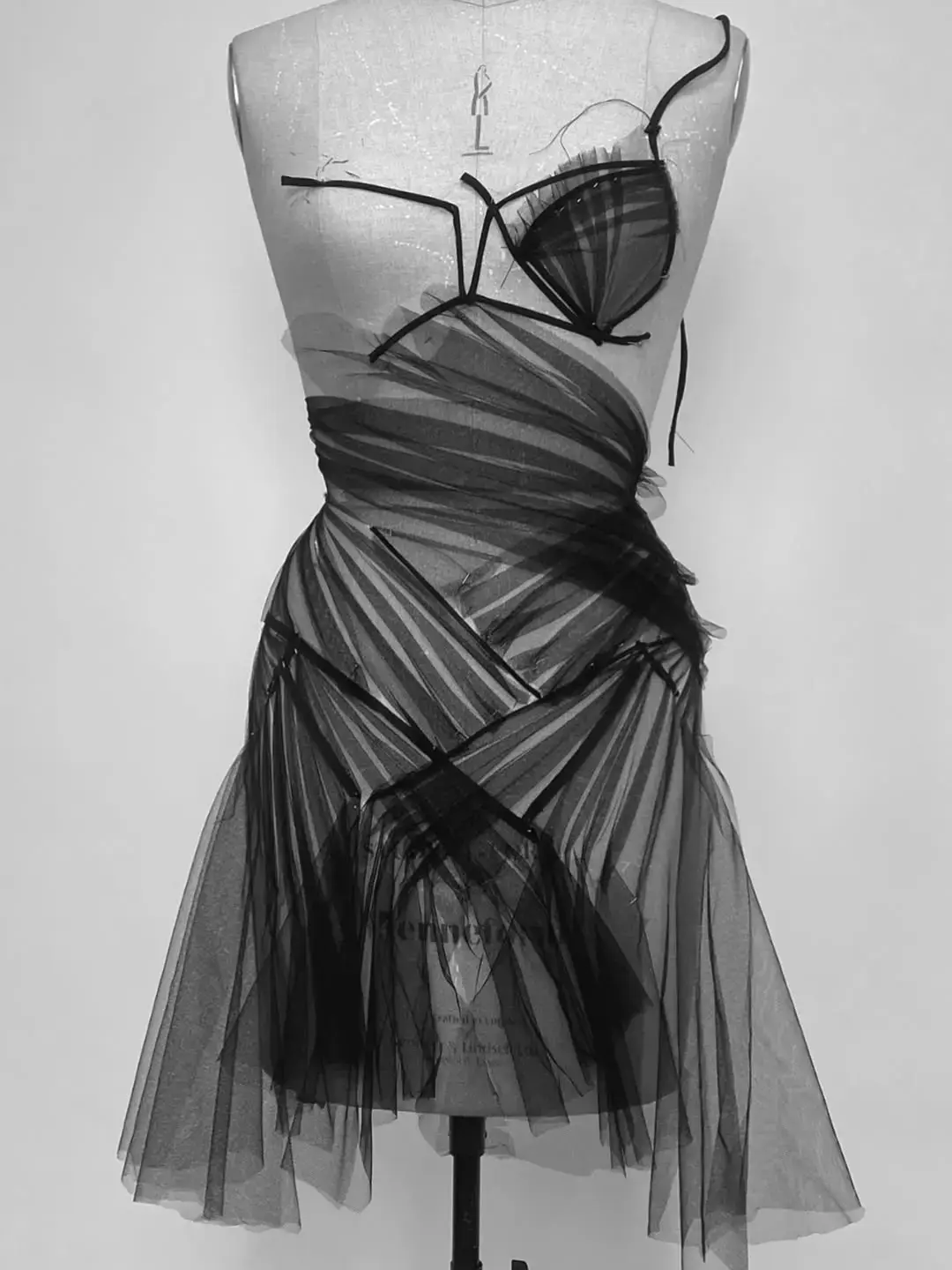
NENSI: It’s exactly that distortion that interested me. I feel like I do the same thing with my work. I believe that, for something to be modern, the traditional beauty of it needs to be distorted and disrupted. I play with lines in my work to distort the female figure, while emphasizing certain parts of the body to to elevate the figure while distorting it.
LISJA: Do you think of yourself as working within a tradition of visual artists who have depicted the female body?
NENSI: Yes, all my work is around the female body and how to celebrate it. The body serves as an anchor to all the pieces I make, putting that at the forefront.
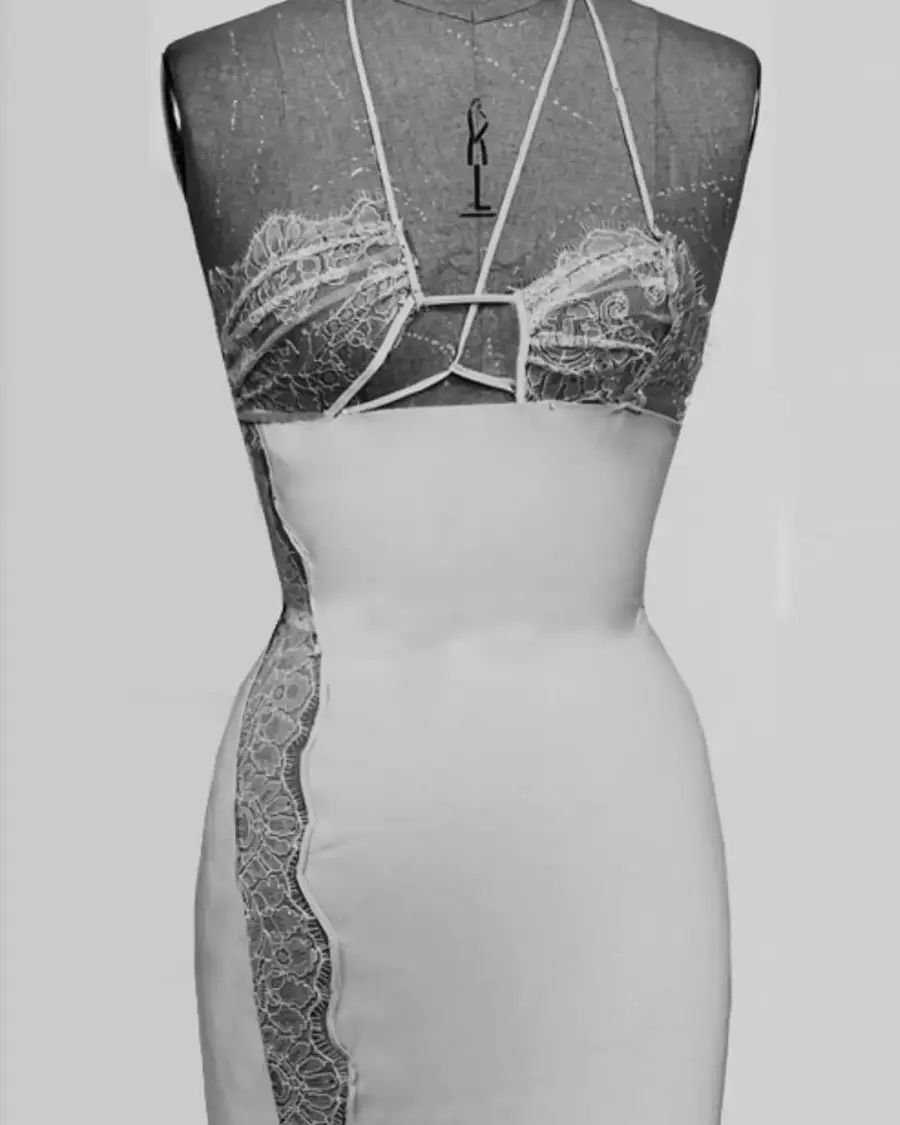
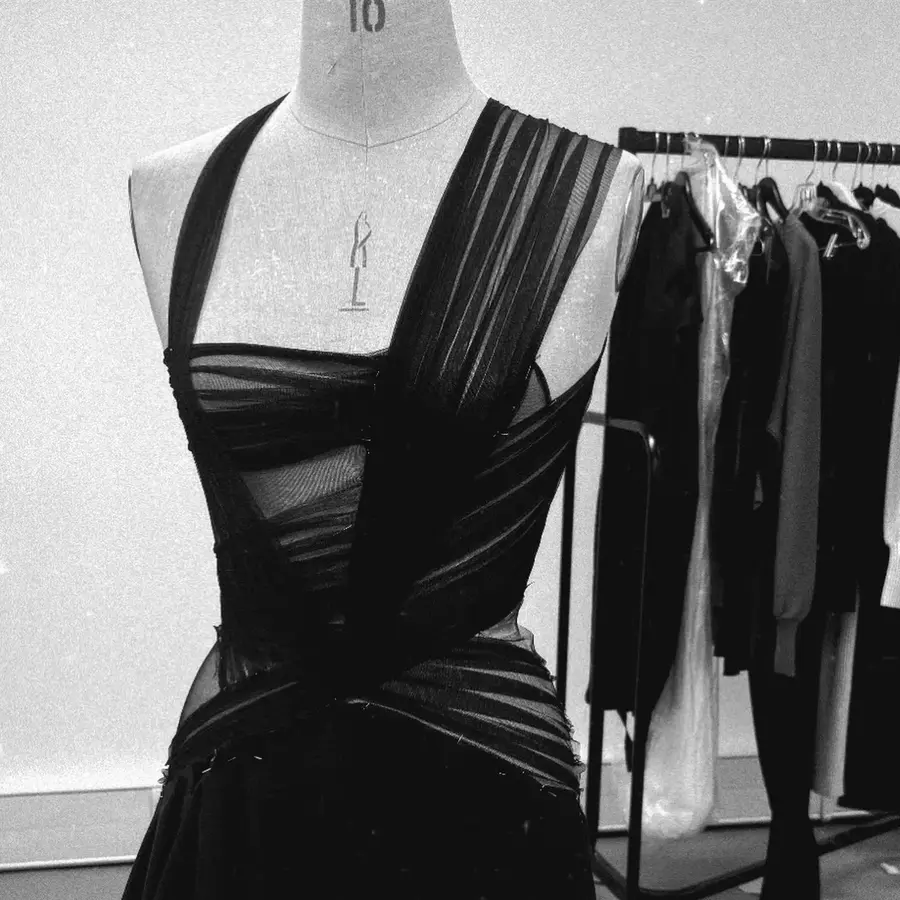
I believe that, for something to be modern, the traditional beauty of it needs to be distorted and disrupted.
LISJA: Outside of fashion, who do you think is doing the most interesting work with the female body right now?
NENSI: I really like Saskia Colwell and how she explores the female body and its sensuality in her paintings.
LISJA: What image do you think is the most honest depiction of a woman you've ever seen?
NENSI: There’s a painting by Shannon Cartier Lucy called ‘Woman with noodle necklace’ that shows a female body in a fetal position, being embraced. Even though somehow vulnerable, I think owning that vulnerability brings about a strength that really touches me. It is possible that the painting for Shannon might hold another meaning, but the way i saw it, had an impact on me.
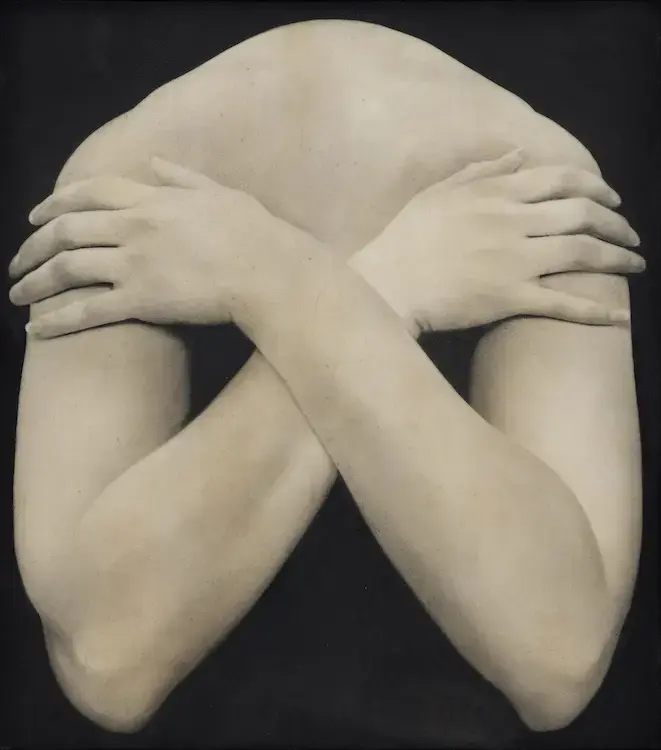
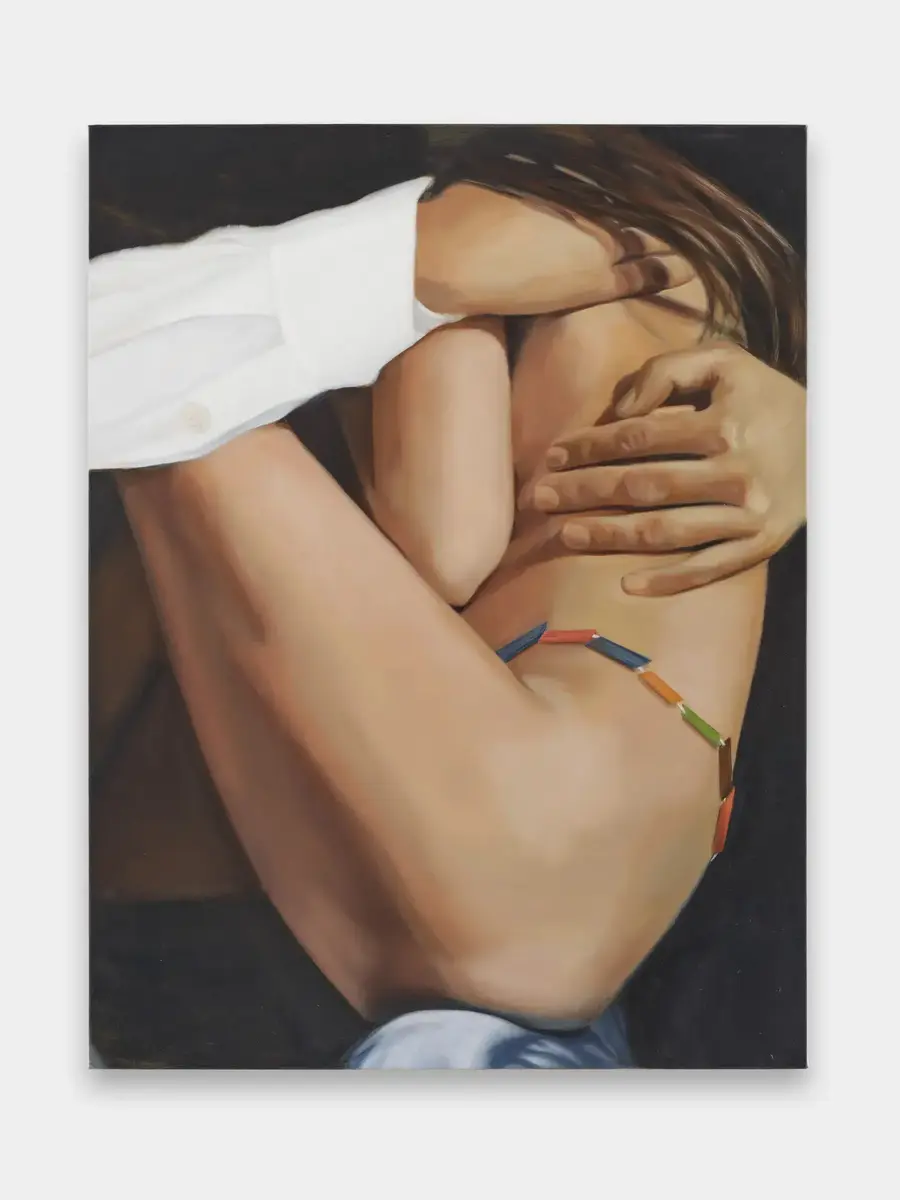
© Saskia Colwell, "Mask Off" (2024), Courtesy the artist and Victoria Miro / © Shannon Cartier Lucy "Woman with noodle necklace" (2025), Courtesy the artist and Soft Opening, London. Photography Eva Herzog
All my work is around the female body and how to celebrate it.
LISJA: If you could own any artwork, what would it be?
NENSI: Something by Tracey Emin for sure.
LISJA: A question that recurs in contemporary art discourse is whether there can be art without an audience. Does a dress need a body?
NENSI: No, I think the audience is what gives it life and meaning. A dress doesn't need to be worn necessarily, but it needs to have the eye of an admirer, the same as with any form of art.
Conducted by Lisja Tershana
Edited by Zina Pusep