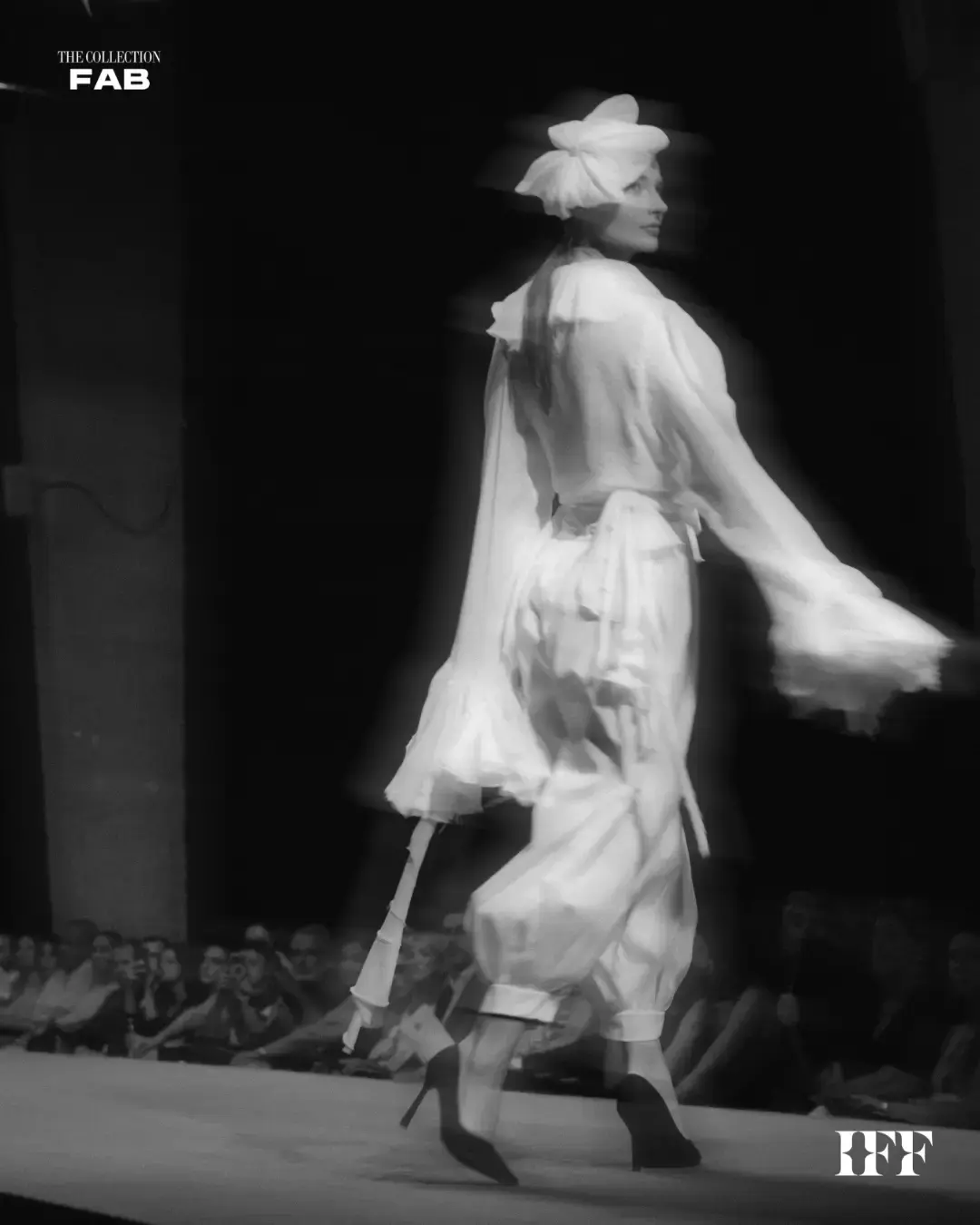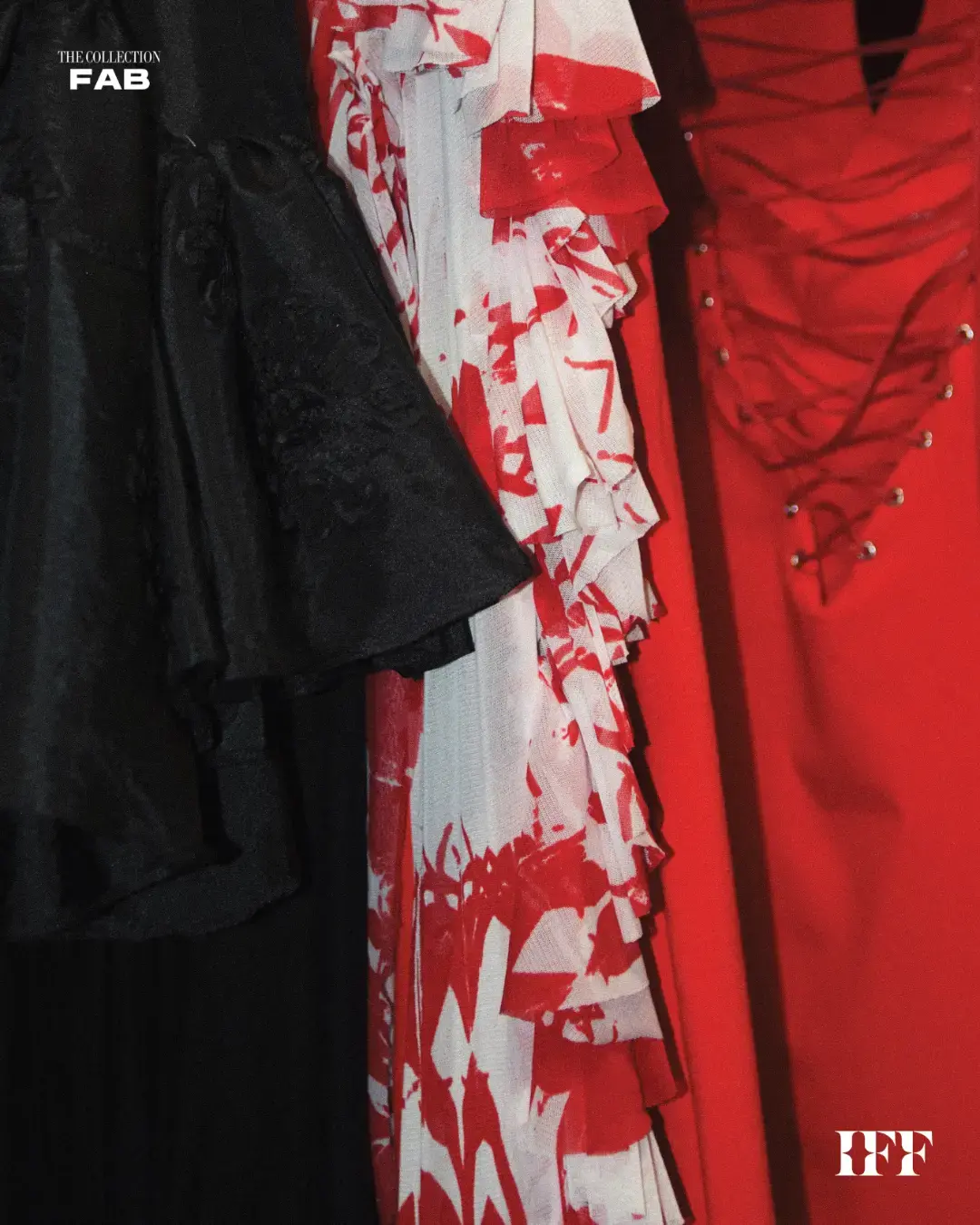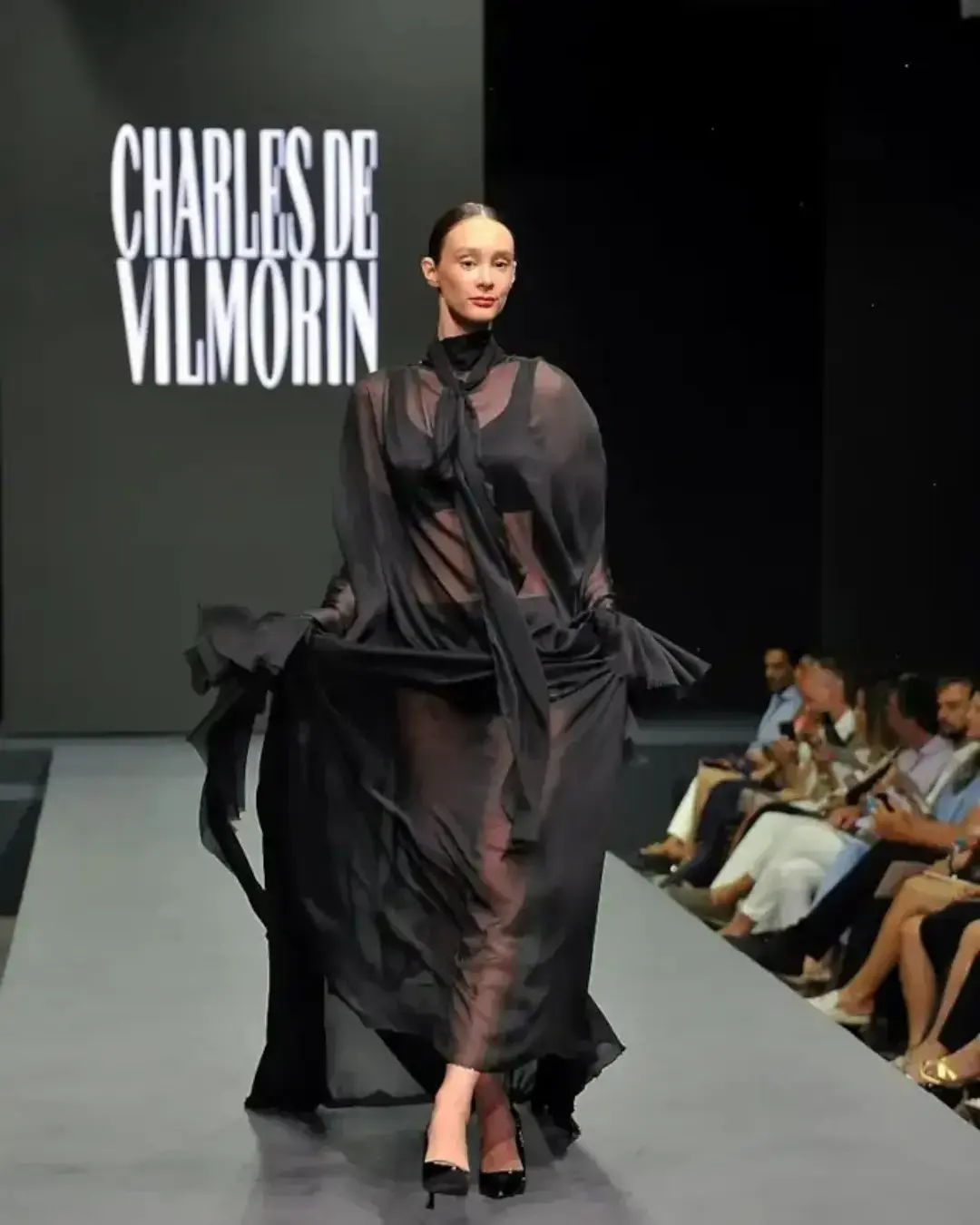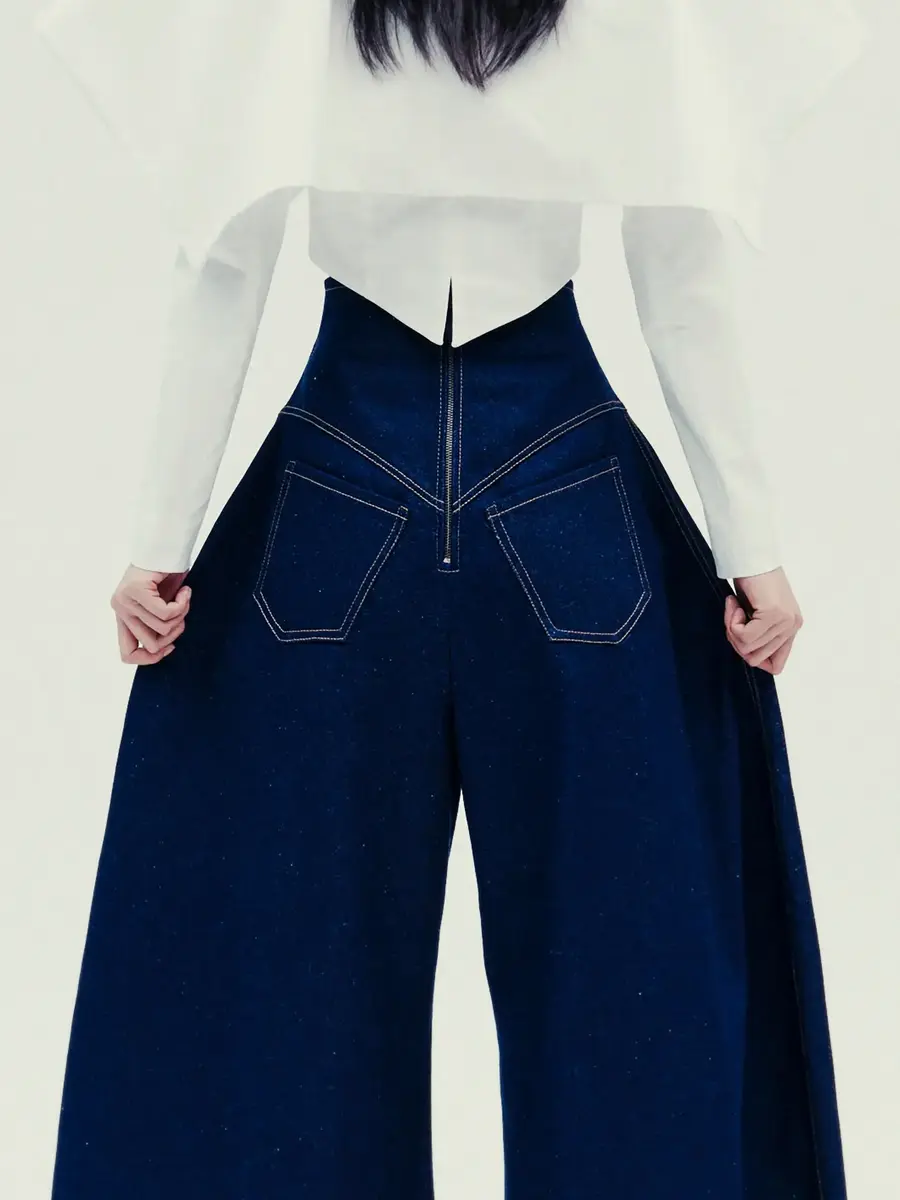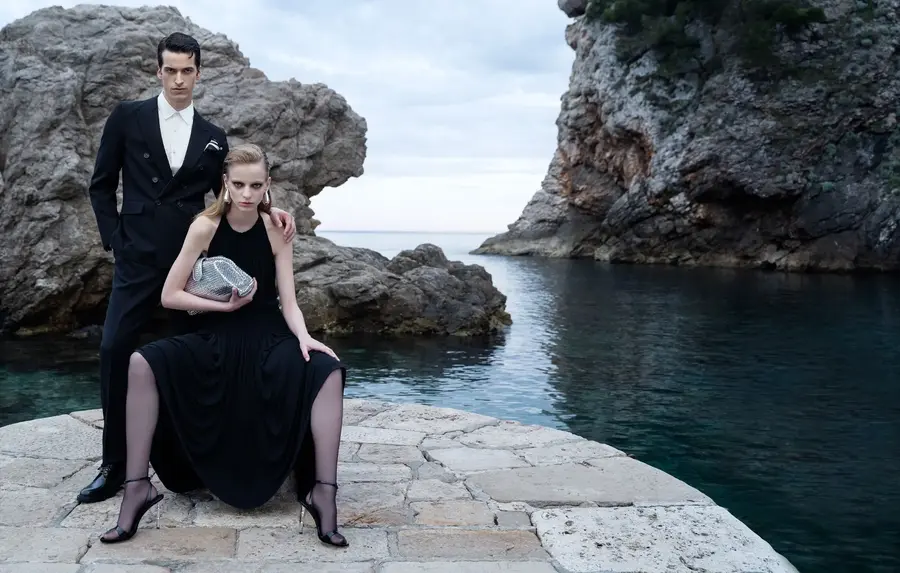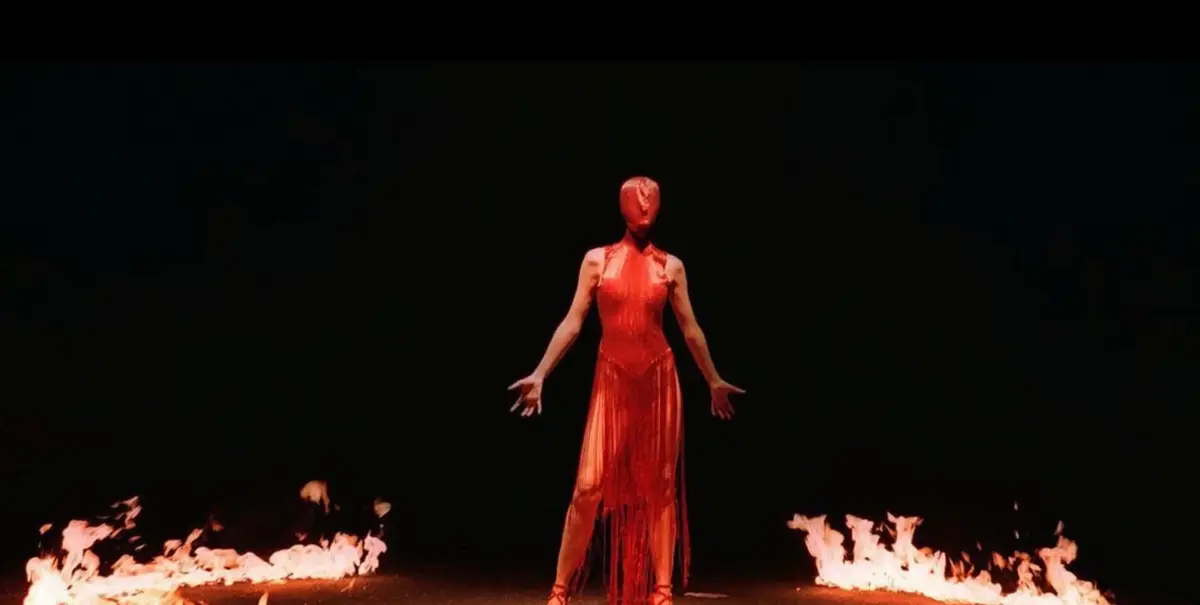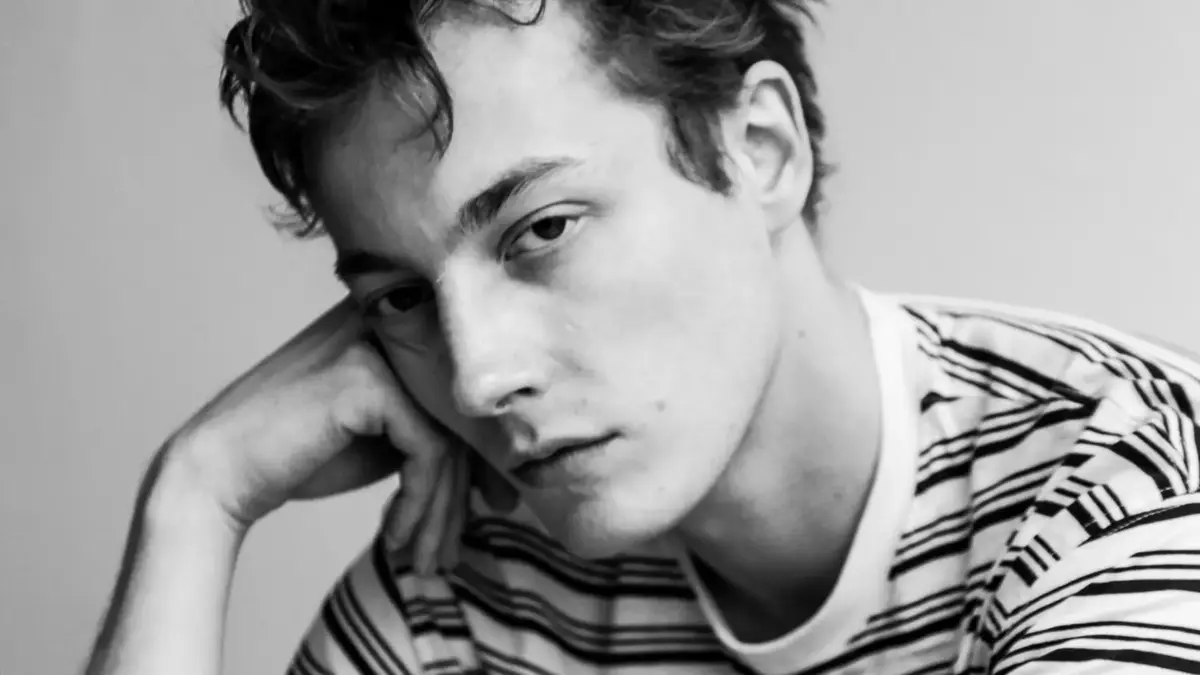
At just twenty-seven Charles de Vilmorin has become one of the most captivating voices in fashion. This year he stood shoulder to shoulder with legends - Dior, Valentino, Schiaparelli and many more - becoming the youngest designer to present at the Louvre Couture.
But beneath the colour and exuberance of his work lies a deeper world: one of melancholy symbolism and creative risk taking.
In this exclusive interview Charles opens up about his early fascination with performance and storytelling, the pressures and revelations of rapid success and his vision for the future.
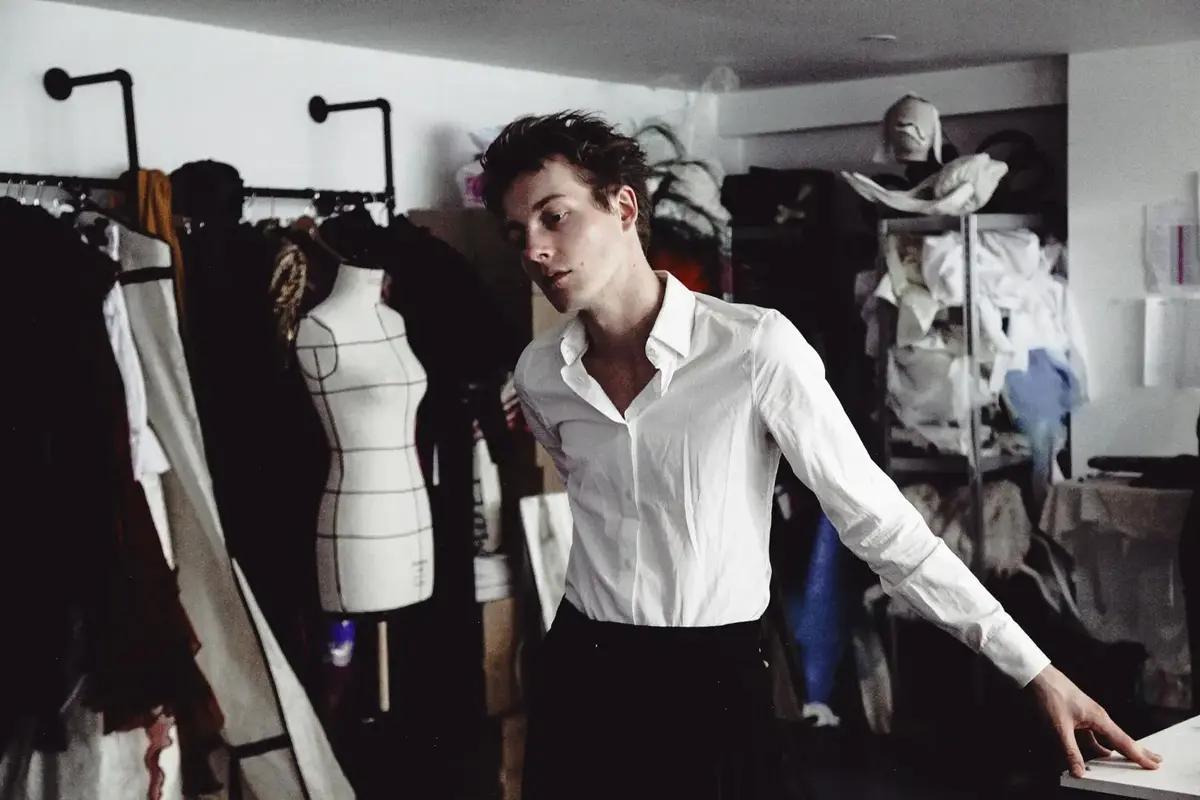
" I'm very sensitive to mysterious worlds, monsters, and somewhat tortured creatures..."
Zina: Let's start from the beginning. What were you like as a child? You've mentioned that you used to stage runway shows at home. Can you tell us more about those early moments-take us into the mind of Charles from the early years of life.
Charles: Indeed, from childhood, I was deeply drawn to the world of performance and the entire visual universe. I had an extremely rich imagination, and I loved creating shows, directing scenes, designing sets, drawing costumes, planning the lighting, choosing the music... I coordinated all of this with my family members, who happily played along with me. I particularly remember a baptism day when several bouquets of flowers were given. I collected all the tissue papers and transparent wrappings that surrounded the bouquets to make dresses. Then, I organized a little fashion show with my little sister, who wore these improvised paper creations. That remains a very precious memory. I've always loved inventing and composing worlds, and I believe that creative drive has never left me.
Zina: You had that crazy start - a mysterious buyer purchased your entire collection. Sounds like a dream, but success stories always have their flipside. Since then, what's something that went completely sideways? A show, a piece, a reaction-what didn't land, and how did you respond to it?
Charles: It's true that my career took off very quickly in the beginning. I had to adapt fast, which created a lot of pressure-especially since I was still very young. My time at Rochas was an incredibly enriching experience, but it also came with a heavy weight of responsibility, considering my age and limited experience at the time.
Zina: Your work carries a strong emotional charge - almost like it's coded with personal meaning. Are there any recurring symbols or hidden elements that show up in your pieces that most people don't know?
Charles: It's true that my work is often seen as joyful, colorful, almost festive. But within my personality, there is also a much darker, melancholic side that deeply drives and inspires me. I'm very sensitive to mysterious worlds, monsters, and somewhat tortured creatures. This is something that has touched me since forever and has fueled my imagination since childhood. This darker facet is essential to me, even if it's not always understood at first glance. Today, I really want to develop it further so that it becomes the main part of my creative expression. It's an intimate, very important aspect that I wish to fully embrace in my future work.
Zina: You've spoken about your interest in interior de- sign and film. Your creativity moves fluidly across disciplines-like Virgil Abloh, who blurred boundaries with purpose. With social media as a hybrid space of image, text, and sound, do you think our generation is naturally more multidisciplinary?
Charles: I think it really depends on the individual-some people want that, and others don't. But I do believe our generation feels an increasing need to explore different mediums, to take risks, and to express ideas across various platforms. It's a way to make messages clearer, more powerful, and more meaningful.
Zina: Relating to the previous question - what would you say is the formula to stay grounded without feeling like you're chasing too many creative directions at once?
Charles: I believe it's crucial to stay true to what you want to express, while remaining aligned with your values and the causes you choose to support. That's what allows for creative decisions to stay coherent and authentic over time.
Zina: You were appointed Creative Director of Rochas at a very young age-a fashion house with deep roots in fragrance. How did you navigate that transition? What did your daily life look like during that period? How did you navigate the pressure, what were the biggest challenges and the lessons learned?
Charles: My daily life as the former artistic director of Maison Rochas was extremely intense. I spent three weeks each month in Milan, which meant I was quite alone during that period of my life, far from my usual land- marks. The commercial pressure from the house was strong, but it was precisely in that demanding environment that I learned the most - especially about ready. to-wear. In my own brand, I work exclusively in couture, so discovering and leading the world of ready-to-wear was an incredibly formative experience. I was fortunate to collaborate with a wonderful, small team, which allowed me to be involved in every aspect of a creative studio and to understand each role in depth. The greatest lessons I took from that experience are perseverance and a true understanding of the commercial side of fashion - something I was much less familiar with before. It has greatly enriched my vision and the way I approach clothing today.
Zina: Presenting haute couture at the Louvre is a rare honour. This year you stood alongside iconic houses like Dior, Valentino, Schiaparelli, Jean Paul Gaultier and many more. Could you take us into that experience? What's something unexpected or quietly personal that happened-some- thing you'll never forget?
Charles: Being featured at the Louvre was an immense honor for me. I was deeply moved when Olivier Gabé, who envisioned and curated the exhibition, invited me to present one of my dresses. I was actually the youngest designer to have a piece exhibited, which made the experience even more special.
What struck me the most was the entire process leading up to the exhibition - the exchanges with the museum's curators and the creative team behind the project. It was both an incredibly formative and profoundly enriching adventure. Another exceptional moment for me was the Vogue France cover with Isabelle Huppert. It was the first time Voque created a cover outside of an advertiser collaboration, and I was truly touched by that. For a designer, seeing your work highlighted in such a way - on an icon like Isabelle Huppert - is quite a unique experience.
Zina: You've said you remain focused on the contemporary and future. How do you see the role of Artificial Intelligence in fashion today? Do you use it yourself and where do you think it might take us creatively?
Charles: To me, artificial intelligence does not pose any threat to fashion whatsoever. Nothing - no machine or algorithm - will ever be able to replace the human hand or mind. On the contrary, I see Al as a wonderful way to open up to the world and to grow, because it makes culture and references much more accessible. That's how I primarily perceive it. That said, it's not a tool I use in my daily work or to create my collections. I don't incorporate it into my creative process, but I certainly don't demonize it either. Quite the opposite - I believe that, with clearly defined boundaries, it's a fantastic tool that can genuinely support and nurture creativity.
"Nothing - no machine or algorithm - will ever be able to replace the human hand or mind."
Zina: Our generation is often called "the generation of the distracted" Focus is now a luxury. What's your take-and do you think there's a way to transform it into something creatively productive?
Charles: It's true that our generation is constantly distracted, pulled in by billions of images - whether on social media or simply in everyday life. Today, image takes precedence over absolutely everything. I do think it's becoming increasingly rare to have the time - or even the ability - to fully focus on just one thing. But ultimately, it's also a matter of discipline: you have to know how to impose it on yourself when you genuinely want to do things well. And it's incredibly satisfying when you succeed. For me, it's even essential. I actually find it beautiful that we now have such quick and immediate access to images. Being surrounded by images all the time that's what I love most in the world. I feel lucky to live in a time when this visual abundance is everywhere.
Zina: Looking back at your work from 2020 to now, what would you not do again? What's something you've completely outgrown-creatively or personally?
Charles:
When I look back on the past five years, I feel very proud of everything that's been accomplished, even if, naturally, there are things I love more than others. truly believe that each project happened at a specific moment because it was meant to - I'm quite sensitive to this idea of almost instinctive timing. Creatively speaking, if there's one thing that may have gotten away from me at times, it would be my desire - at one point to stray too far from my own universe, out of fear of becoming trapped in it. With hindsight, I realize that I should have cherished it, nurtured it, and brought it to the forefront instead. That's exactly what I'm working on now.
Zina: What drew you to the Balkans, and to Montenegro in particular?
Charles: The opportunity to show my work in Montenegro and take part in this beautiful festival came while I was presenting my latest collection in Milan. I'm a very curious person, always happy to explore new horizons, and I had never been to the Balkans before. I also have a very good friend - a stylist who works at Vogue Adria - who strongly encouraged me to accept the project. So I'm truly happy to be part of it, and I'm really looking forward to discovering the place and its culture.
Zina: We began this conversation by looking back at your earliest memories. To close, let's look ahead. Fast-forward: it's 2035. What do you see • creatively, culturally, personally?
Charles: By 2035, I hope to have successfully developed the ready-to-wear line of my brand, in which I have a lot of faith. I would also like to have continued cultivating my image and telling stories that, thanks to the maturity and experience gained over the years, will make me a more mature designer, ready to tackle perhaps deeper and more personal subjects. What I especially wish is to have reached as many peo ple as possible with my work, while genuinely strengthening the commercial side of the brand. For me, it's this balance between meaning, emotion, and success that truly matters.
Gallery